Introduction to Cup Noodle Vending Machines
As consumer preferences evolve, the demand for convenient and quick meal solutions has led to the rise of specialized vending machines. Among these innovations, Cup noodle vending machines have carved a niche, offering a hot and satisfying meal in mere minutes. This article delves into the operational mechanics, benefits, key features, and market trends surrounding these machines, providing a comprehensive overview for retailers and entrepreneurs looking to capitalize on this food vending trend.
What is a Cup Noodle Vending Machine?
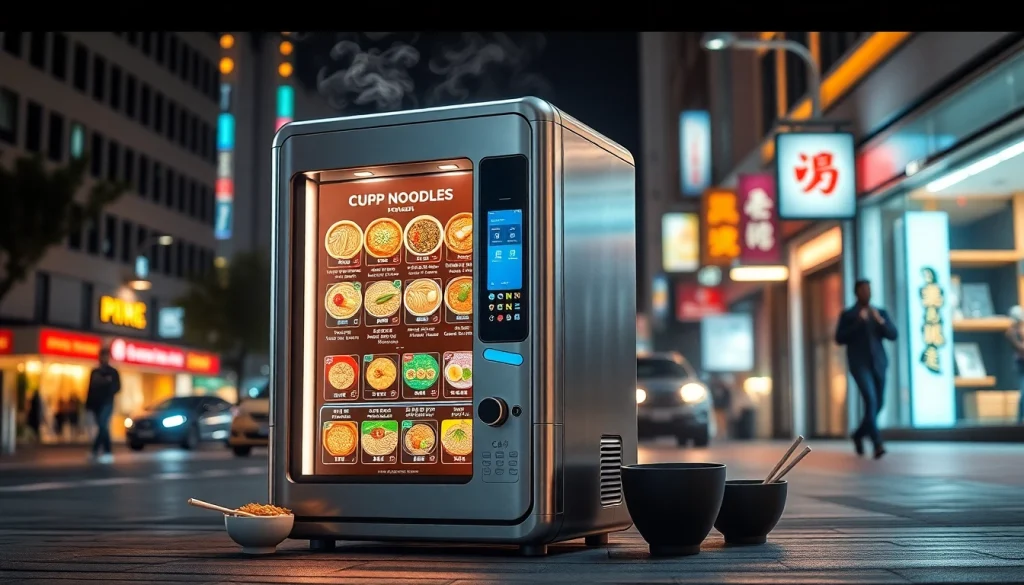
A cup noodle vending machine is an automated kiosk designed to dispense hot, ready-to-eat noodle meals, typically in cup form. These machines are engineered to provide convenience, allowing customers to enjoy a warm meal without the need for traditional food preparation. With the push of a button, users can select their favorite noodle variety, which is then dispensed alongside hot water, transforming the dry contents into a delicious meal in just a few minutes. This innovation not only streamlines the food preparation process but also meets the growing demand for fast, on-the-go meal options.
How Cup Noodle Vending Machines Work
The operation of cup noodle vending machines involves several key components:
- Input Selection: Customers begin by selecting their desired noodle option from a touchscreen interface or button panel.
- Hot Water Dispensing: Once a selection is made, the machine automatically dispenses the appropriate amount of hot water into the cup, which rehydrates the noodles and warms the meal.
- Real-time Monitoring: Many modern machines are equipped with IoT technology, allowing owners to monitor inventory levels and machine performance remotely.
- Payment Systems: These machines typically accept various payment methods, including cash, credit cards, and mobile payments, to cater to a wide range of customers.
Benefits of Cup Noodle Vending Machines for Retailers
Investing in cup noodle vending machines offers numerous advantages for retailers:
- Increased Foot Traffic: Placing these machines in high-traffic areas can attract a diverse customer base, from office workers to students.
- High Profit Margins: Cup noodles are inexpensive to produce, allowing for profitable markups when sold through vending machines.
- Minimal Operational Costs: Once installed, these machines require limited maintenance and staffing, reducing overhead costs significantly.
- Flexible Locations: They can be placed in various locations, such as schools, hospitals, offices, and malls, aligning with consumer accessibility.
Key Features and Specifications
Hardware Components of Cup Noodle Vending Machines
The hardware of cup noodle vending machines is designed to ensure reliability and durability. Key components include:
- Water Heating Elements: Essential for providing the hot water needed to cook the noodles promptly, these elements must be efficient and reliable.
- Refrigeration Units: While cup noodles are shelf-stable, some machines include refrigeration for supplementary items such as drinks or snacks.
- Touchscreen Display: Modern machines often come equipped with user-friendly interfaces that enhance the customer purchasing experience.
- Inventory Management Sensors: These sensors help track product availability, informing operators when restocking is necessary.
Software Solutions for Efficient Engagement
The software behind cup noodle vending machines plays a crucial role in operation:
- Remote Management Capabilities: With advanced software solutions, operators can manage their vending machines from any location, making real-time adjustments to inventory and pricing.
- Data Analytics: Software systems often include reporting features that help operators analyze sales patterns, enabling informed inventory and marketing strategies.
- Customer Engagement Features: Some systems allow for promotions, loyalty programs, and advertisements on the display, enhancing customer interaction.
Customization Options for Different Markets
Vending machines can be tailored to meet the specific preferences of various markets:
- Product Variety: Machines can be stocked with a range of noodle flavors and brands to cater to local tastes and dietary needs.
- Language Options: Adding multiple language options on the interface can enhance user accessibility and customer satisfaction.
- Branding Elements: Custom branding, graphics, and colors allow retailers to align the vending units with their marketing strategies.
Market Analysis and Trends
Current Market Demand for Cup Noodle Vending Machines
The demand for cup noodle vending machines is influenced by several factors, including a shift towards convenience dining, particularly in urban areas. As more people seek quick meal solutions, these machines offer an appealing alternative to traditional dining methods.
Competitive Landscape and Leading Brands
The competitive landscape in the vending machine industry includes established brands that have pioneered instant noodle vending solutions. Key players leverage technology and innovative marketing strategies to capture market share, often adapting their offerings based on consumer feedback and trends. Companies that offer customizable vending solutions are particularly well-positioned to capitalize on niche markets.
Predictions for the Future: What to Expect in 2025
Looking ahead to 2025, the cup noodle vending machine market is expected to experience significant growth:
- Increased Automation: Expect further integration of AI and machine learning to enhance operational efficiency and customer engagement.
- Healthier Options: With a growing trend towards health-conscious eating, a rise in the availability of healthier noodle alternatives is likely to occur.
- Expansion of Locations: We will see these machines in more diverse settings, including public places, universities, and transportation hubs.
Implementation Strategies
Steps to Purchase and Install a Cup Noodle Vending Machine
Implementing a cup noodle vending machine involves several steps:
- Market Research: Understand the preferences of your target demographic to select the best product offerings.
- Select a Vendor: Choose a reputable vending machine supplier that offers customizable solutions and reliable support.
- Location Analysis: Conduct studies to identify high-traffic locations that maximize visibility and sales potential.
- Installation and Setup: Coordinate with the supplier for the installation and initial stocking of the machine.
Effective Marketing Strategies for Vending Machines
To ensure the success of your cup noodle vending machine, it’s crucial to implement effective marketing techniques:
- Promotions and Discounts: Offer introductory discounts or bundle deals to attract initial customers.
- Social Media Advertising: Utilize social media channels to create awareness and engage with potential customers.
- Cross-Promotions: Partner with local businesses to promote the vending machine, possibly incorporating special offers for their customer base.
Common Challenges and How to Overcome Them
When operating cup noodle vending machines, various challenges may arise:
- Technical Issues: Regular maintenance and a reliable service plan can mitigate machine downtime.
- Inventory Management: Implement a robust inventory management system to track sales and automatically trigger restocking orders.
- Changing Consumer Preferences: Stay updated with market trends to adapt product offerings accordingly, ensuring customer satisfaction.
Real-World Case Studies and Success Stories
Case Study: Successful Installations in High-Traffic Areas
Several businesses have successfully integrated cup noodle vending machines into their operations, experiencing enhanced sales and customer satisfaction. For instance, a university campus deployed multiple machines in dorms and dining areas, leading to a 30% increase in meal purchases compared to traditional dining options.
Impact on Sales and Customer Satisfaction
The introduction of cup noodle vending machines has generally led to improved sales performance. Customers appreciate the variety and convenience, often returning for quick meals during busy hours.
Lessons Learned from Industry Leaders
Industry leaders emphasize the importance of location selection, machine maintenance, and staying informed about consumer preferences. Continuous adaptation based on customer feedback and sales data is key to sustained success in the vending machine market.