

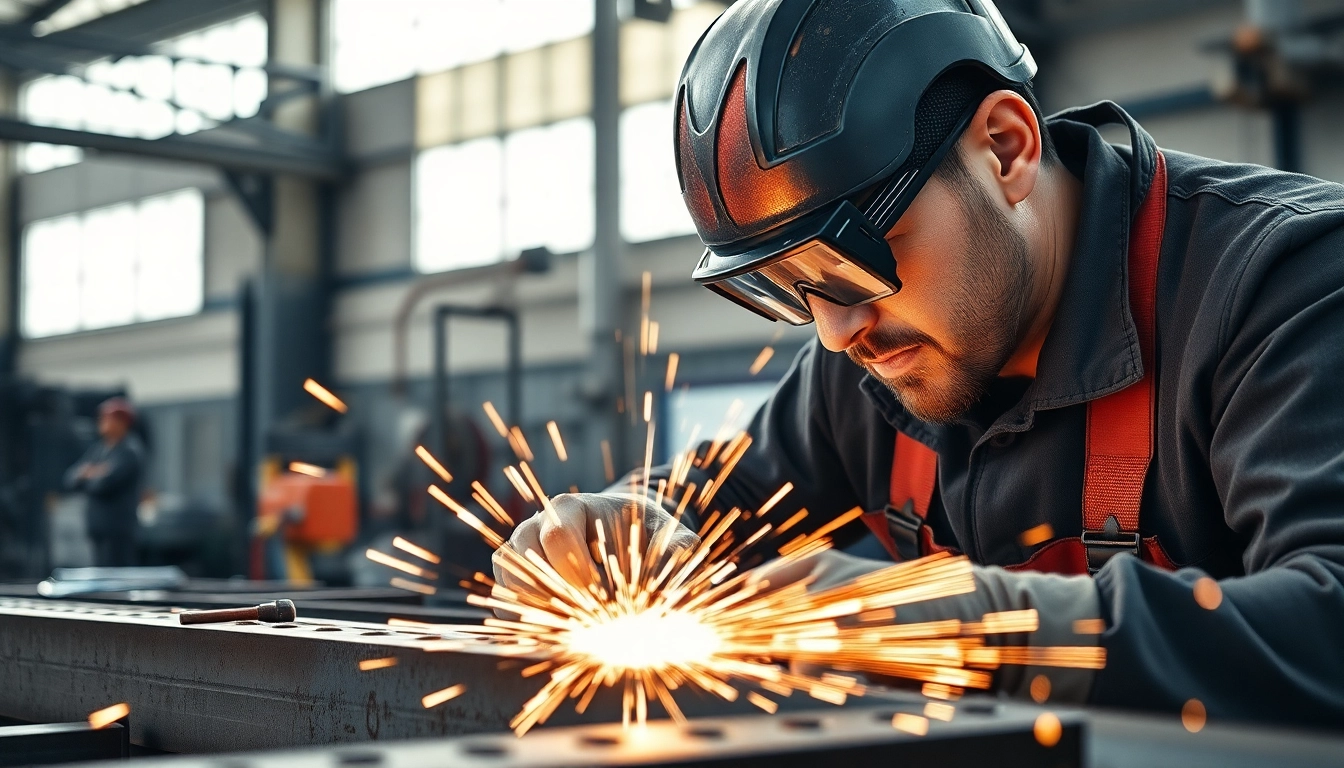
Understanding Structural Steel Welding
What is Structural Steel Welding?
Structural steel welding is a process that involves joining metal components together to create buildings, bridges, and various structures. This technique is crucial in construction and engineering, ensuring that essential components are securely bonded for enhanced strength and durability. Typically, welders use various types of welding methods, such as MIG (Metal Inert Gas), TIG (Tungsten Inert Gas), and stick welding, to achieve reliable connections among structural steel pieces. Mastery of these techniques is essential for maintaining the integrity and safety of the final structure. You can learn more about structural steel welding through various resources, including professional training programs and industry literature.
Importance of Structural Steel Welding
The importance of structural steel welding cannot be overstated. It is foundational to the construction industry, facilitating the creation of robust structures. Without precise welding, the stability of bridges, buildings, and other infrastructures could be compromised, potentially leading to severe accidents. Moreover, it contributes significantly to the overall efficiency of construction projects by enabling faster assembly and reducing the need for extensive mechanical fasteners. Understanding the principles of structural steel welding empowers organizations and welders alike to produce high-quality results, ensuring safety, cost-effectiveness, and longevity of structures.
Types of Welding Techniques Used
There are several key welding techniques employed in structural steel welding, each suitable for various applications:
- MIG Welding: Offers high versatility and speed, making it a popular choice for thick steel and soft metals.
- TIG Welding: Provides precise control and is ideal for thin materials, producing high-quality welds.
- Stick Welding: Known for its simplicity and effectiveness in outdoor environments and heavy-duty applications.
- Flux-Cored Arc Welding (FCAW): Enhances productivity and is suitable for structural steel in various positions.
Essential Tools and Equipment for Structural Steel Welding
Must-Have Welding Tools
Proper tools and equipment are paramount for successful structural steel welding. Here’s a breakdown of essential tools:
- Welding Machine: Fundamental for any type of welding, choose one that suits your preferred method.
- Electrodes and Filler Materials: Essential for joining metal—select based on the type of steel being welded.
- Welding Helmet: Protects the face and eyes from harmful rays and sparks.
- Clamps and Holders: Keeps metal pieces steady during the welding process.
- Grinders and Cutters: Important for surface preparation and post-weld finishing.
Safety Gear and Equipment
Welding involves several risks, so safety gear should always be prioritized. Essential safety equipment includes:
- Protective Clothing: Flame-resistant jackets and pants protect against sparks and heat.
- Safety Gloves: Shield hands from heat and sharp edges.
- Respirators: Prevent inhalation of harmful fumes generated during welding.
- Ear Protection: Safeguard hearing against loud noises associated with welding processes.
Choosing the Right Welding Type
Selecting the correct welding type is crucial for achieving high-quality welds. Factors to consider include:
- Material Thickness: Thicker materials may require MIG or stick welding, while thinner materials are better suited for TIG welding.
- Positioning: Plan for overhead and vertical positions, as some techniques are more challenging in these scenarios.
- Environmental Conditions: Outdoor conditions may favor stick or flux-cored welding due to wind interference with techniques like MIG.
Techniques for Effective Structural Steel Welding
Preparing the Metal Surface
Surface preparation is vital for welding success. Clean surfaces free of rust, oil, or any contaminants help ensure a strong bond. Techniques for effective preparation include:
- Grinding: Removes rust or scale from the metal surface.
- Chemical Cleaners: Used to degrease and prepare the surface adequately.
- Wire Brushing: Effective for light surface contamination.
Understanding Welding Positions
Welding can be performed in various positions, each affecting the technique used. Understanding these positions is essential for achieving consistent results:
- Flat Position: Easiest and most stable, promotes fast welding.
- Horizontal Position: Requires appropriate technique to maintain weld pool.
- Vertical Position: More challenging; caution is required to control the weld pool.
- Overhead Position: Most difficult; often demands additional equipment or support.
Common Welding Techniques Explained
Applying the right technique is crucial to achieving high-quality welds. Here’s a quick overview of commonly used techniques:
- Arc Welding: Utilizes electrical energy to create heat, enabling metal melting and fusion.
- Spot Welding: Joins pieces of metal at specified points using heat generated from electrical resistance.
- Submerged Arc Welding: Employs a granular flux to protect the weld pool, enhancing penetration and minimizing contamination.
Common Challenges in Structural Steel Welding
Identifying Common Issues
Structural steel welding presents its own set of challenges, including:
- Weld Cracking: Can occur due to rapid cooling or contamination, leading to weak welds.
- Porosity: Formation of gas pockets within the weld can weaken the structure.
- Under-cutting: This issue arises when the base metal melts away too much, leaving a groove.
Troubleshooting Welding Problems
Effectively troubleshooting welding problems is essential for achieving high-quality work. Common solutions include:
- Adjusting Amperage: Altering settings can mitigate issues like weld cracking or incomplete fusion.
- Regular Equipment Maintenance: Ensuring machines are in optimal condition prevents operational failures.
- Proper Joint Design: A welder can benefit greatly from a well-thought-out design, allowing for easier access and better weld quality.
Effective Solutions and Tips
Implementing the following tips can enhance weld quality:
- Practice Consistency: Maintain steady speed and angle during welding to ensure a uniform weld bead.
- Tack Welding: Use tack welds to hold pieces together before fully welding; this reduces distortions.
- Preheating: Consider preheating thick materials to reduce the risk of cracking during welding.
Evaluating Performance in Structural Steel Welding
Measuring Weld Quality
Measuring the quality of a weld is critical for ensuring structural safety. Parameters for evaluation include:
- Visual Inspection: Look for uniformity in the weld bead, absence of defects, and proper penetration.
- Destructive Testing: Involves breaking or cutting the weld to analyze its internal structure.
- Nondestructive Testing (NDT): Methods such as ultrasonic testing help in revealing internal flaws without damaging the welded part.
Post-welding Inspection Techniques
Effective post-welding inspection techniques are essential for verifying the integrity of welds. Techniques include:
- Magnetic Particle Inspection: Useful for identifying surface and near-surface defects.
- Radiographic Testing: Uses X-rays to reveal issues within the structure of welds.
- Leak Testing: Determines the soundness of a welded structure in applications requiring fluid containment.
Continuous Improvement Strategies
Continuous improvement in welding practices enhances overall performance. Strategies include:
- Regular Training: Invest in ongoing education for welders to keep them informed about new techniques and technologies.
- Quality Control Programs: Implement inspection procedures to regularly assess welding quality and performance.
- Feedback Mechanisms: Encourage welders to share insights and experiences for collective improvement and learning.
FAQs about Structural Steel Welding
What is the most common welding technique used in structural steel welding?
The most common welding techniques for structural steel include MIG, TIG, and stick welding, each offering unique advantages depending on the application.
How do I ensure safety during structural steel welding?
Always wear appropriate protective gear, maintain a clean workspace, and follow safety guidelines specific to welding to reduce risks of injury.
What are common issues faced during welding?
Common issues include weld cracking, porosity, and under-cutting, often due to improper technique or contaminated materials.
How can weld quality be evaluated effectively?
Weld quality can be evaluated using visual inspections and advanced methods like nondestructive testing to detect internal flaws.
What improvements can be made for better welding performance?
Continuous training, feedback from welders, and implementing a solid quality control program can significantly improve welding performance.