
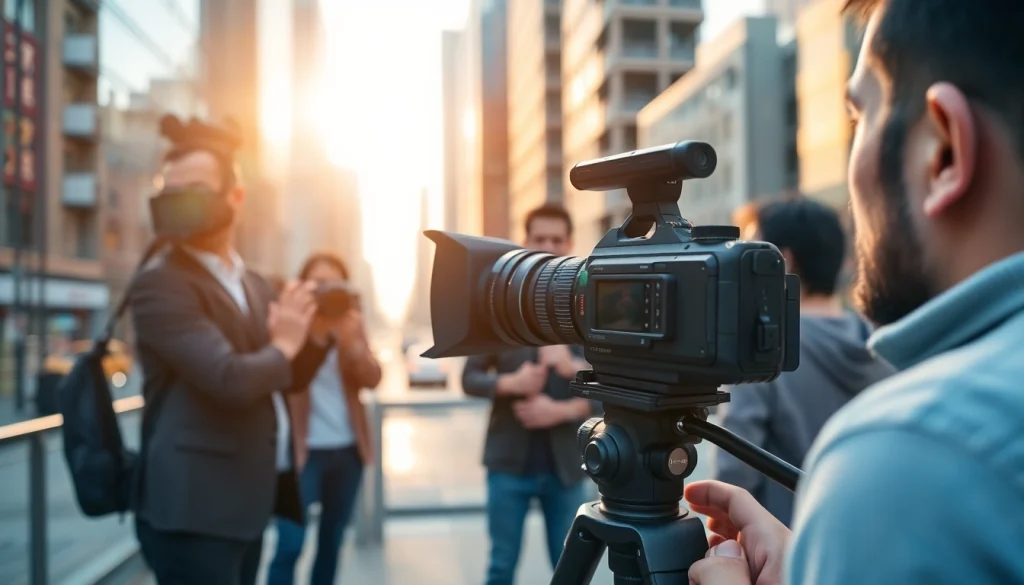
Understanding the Essence of Commercial Videography
Commercial videography is a specialized area of visual media that focuses on creating high-quality video content to promote products, services, or brands. In an age where attention spans are shrinking, and digital marketing is at the forefront of business strategies, understanding the intricacies of commercial videography is more important than ever. Crafting compelling visual narratives allows brands to engage with their audiences in a meaningful way. By harnessing the power of video, businesses can effectively convey their message, enhance brand recognition, and drive sales. This article delves into the world of commercial videography, providing insights and best practices for producing engaging and effective video content.
What is Commercial Videography?
At its core, commercial videography involves the process of producing video content that is designed to serve a marketing purpose. This may include advertisements, promotional videos, product demonstrations, and corporate communications. The primary goal of commercial videography is to elevate brand visibility and connect with customers through engaging visual storytelling. Unlike traditional filmmaking, which may focus on artistic expression, commercial videography prioritizes clear messaging and audience engagement. Understanding the difference between the two is crucial for any videographer looking to succeed in the commercial space.
The Importance of Visual Storytelling
In today’s visually-driven world, storytelling has evolved to encompass a variety of formats, with video emerging as one of the most powerful tools for marketers. Visual storytelling goes beyond mere presentation; it invokes emotions, builds connections, and drives action. A well-crafted commercial video can create a sense of urgency, build brand loyalty, and even inspire viewers to share the content with their networks. Effective visual storytelling encapsulates essential elements such as character, conflict, and resolution, enabling viewers to resonate with the narrative at a personal level.
Key Elements of Effective Commercial Videography
To create an effective commercial video, several key elements must be considered:
- Concept Development: Every successful video starts with a strong concept. Understanding the target audience and establishing a clear message are essential.
- Scriptwriting: A well-written script will guide the visuals and provide a structured flow to the narrative.
- Visual Composition: Elements such as framing, color, and movement can greatly affect how the audience perceives the message.
- Sound Design: Audio elements, including narration and background music, play a crucial role in enhancing the emotional tone of the video.
- Editing: Post-production edits, transitions, and effects can elevate overall production value and keep viewers engaged.
Essential Equipment for Commercial Videography
Choosing the Right Cameras and Lenses
Selecting appropriate cameras and lenses is vital in achieving high visual quality in commercial videography. Filmmakers often choose cameras that offer high-resolution capabilities, excellent dynamic range, and superior low-light performance. Depending on the project, various lenses can be used to create different effects, such as wide-angle lenses for expansive shots or macro lenses for close-up details. It is essential for videographers to understand how different equipment impacts the final product and to choose tools that align with their creative vision.
Sound and Lighting Equipment That Elevates Your Production
Sound quality is often overlooked in videography, yet it is a critical component that significantly affects the viewer’s experience. Investing in quality microphones and audio recording devices ensures that the dialogue and sound effects are crisp and clear. Additionally, effective lighting is essential in setting the mood and tone of the video. Employing techniques such as three-point lighting can help illuminate subjects while minimizing shadows and creating depth.
Post-Production Tools and Software
Post-production is where the magic happens in commercial videography. Utilizing professional editing software allows videographers to cut and piece together raw footage, add effects, and balance audio levels. Popular software options include Adobe Premiere Pro, Final Cut Pro, and DaVinci Resolve. Understanding how to leverage these tools effectively is essential for creating polished and engaging videos that will stand out in a competitive landscape.
Planning a Successful Commercial Videography Project
Identifying Your Target Audience
Before embarking on any commercial videography project, it is crucial to clearly identify your target audience. This knowledge informs every decision, from the tone of the messaging to the language used in the script. Developing audience personas is a useful exercise that helps creators focus on the desires, preferences, and demographics of potential viewers. Understanding who you are speaking to will ultimately make your message more relatable and impactful.
Developing a Creative Concept
A robust creative concept is the backbone of a successful commercial video. This phase involves brainstorming and sketching out ideas that align with the brand message and resonate with the target audience. The concept should reflect the brand’s identity and core values, making it essential to blend creativity with strategic thinking. Collaborating with team members on idea workshops can lead to innovative solutions that drive the video’s direction.
Creating a Production Schedule
One of the most critical phases during pre-production is creating a detailed production schedule. This schedule should outline specific timelines for filming, editing, and revisions, ensuring that the project stays on track and within budget. Allocating time for each aspect of production helps in avoiding last-minute complications. Additionally, having contingency plans in place for unforeseen issues, such as weather changes or equipment failures, is vital for a smooth production process.
Best Practices for Shooting High-Quality Commercial Videos
Lighting Techniques for Visually Stunning Footage
Lighting plays a pivotal role in video production, affecting not just visibility but the entire mood of the footage. Utilizing natural light when possible, along with artificial lighting setups, can produce visually stunning results. Learning how to manipulate light sources—such as diffusing, bouncing, or reflecting light—can enhance a scene’s atmosphere and draw the viewer’s attention to the desired focal points.
Camera Angles and Movement Strategies
Choosing the right camera angles and movements can transform a mundane scene into a captivating visual experience. Techniques such as panning, tilting, and tracking can be employed to add dynamism to the shots. Experimenting with different angles—from high bird’s-eye views to low ground-level shots—can provide a fresh perspective that keeps viewers visually engaged throughout the video.
Engaging with Your Subject During Filming
Whether working with actors, clients, or real-life subjects, developing rapport is crucial for capturing authentic performances. Engaging with subjects during filming helps elicit genuine emotions and reactions, leading to a more relatable and impactful video. Techniques like conducting pre-interviews or having casual conversations off-camera can help ease any tension and allow subjects to be more comfortable in front of the lens.
Measuring Success in Commercial Videography
Analyzing Engagement Metrics
Once a commercial video is published, analyzing its performance is essential for understanding its effectiveness. Engagement metrics such as views, shares, likes, and watch time provide insight into how well the video resonates with the audience. Tools like Google Analytics and social media insights offer valuable data that can inform future projects and help refine video strategies.
Collecting Feedback from Clients and Viewers
Feedback is a vital component of any creative process. Collecting insights from clients and viewers can highlight the strengths and weaknesses of a commercial video. Surveys, interviews, or comments sections can capture diverse opinions, providing data that can enhance future productions. Engaging with feedback allows videographers to continuously improve their craft and align their efforts with audience expectations.
Continuous Improvement for Future Projects
The journey of a commercial videographer is one of continuous learning and development. Analyzing past projects, incorporating feedback, and studying industry trends can help videographers stay current and innovative. Problem-solving and adaptability are essential traits for success in this dynamic field. Through practices such as attending workshops, networking with fellow professionals, and keeping up with technological advancements, videographers can hone their skills and produce compelling, high-quality content.