

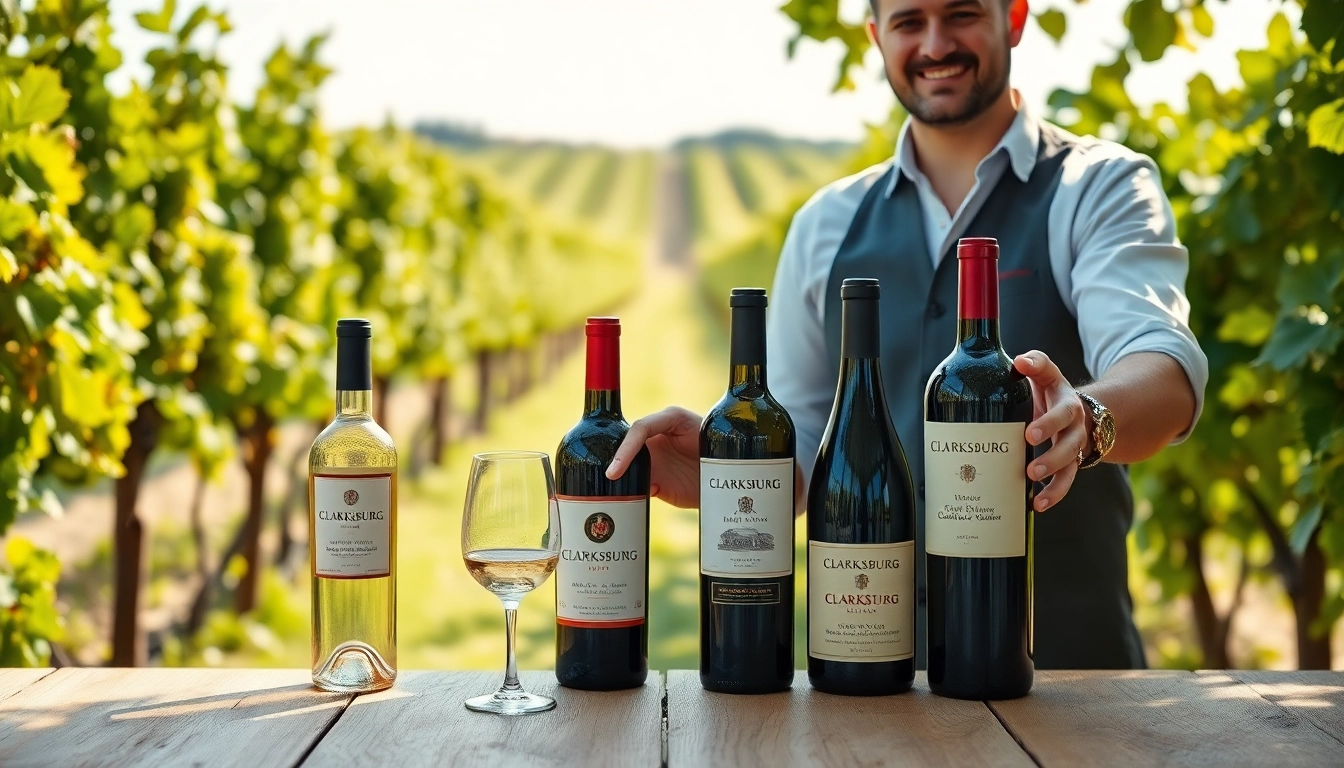
Understanding Clarksburg Wines
History and Background of Clarksburg Wines
Clarksburg, located in California’s Sacramento River Delta, is known for its rich agricultural history and a burgeoning wine industry. The region began establishing its wine production capabilities in the late 20th century, although the area’s fertile soil and ideal climate conditions for grape growing were recognized much earlier. Initially, farmers grew crops like vegetables and fruits, but as the demand for high-quality wines increased, they began to transition towards viticulture.
The creation of the Clarksburg AVA (American Viticultural Area) in 1983 formally recognized its potential to produce superior wines. Since then, Clarksburg wines have gained prominence for their unique characteristics and quality. The region is now home to more than a dozen wineries that highlight the diverse varietals that thrive in its distinctive conditions.
Top Varietals and Their Characteristics
Clarksburg is particularly famous for a few standout varietals that showcase the unique terroir of the area. Chardonnay, Cabernet Sauvignon, and Petit Sirah are some of the most celebrated grape varieties grown here. The Chardonnay grapes deliver a range of flavors, from crisp apple to stone fruit, lending the wine remarkable versatility from dry to off-dry. It’s often utilized in both unoaked and oaked styles, appealing to various palates.
Cabernet Sauvignon from Clarksburg exhibits a deep ruby color with rich blackberry, plum, and chocolate notes. The climate allows for full ripening, resulting in a well-structured wine with balanced acidity and tannins. On the other hand, Petit Sirah thrives in the region’s warm climate, producing bold, tannic wines that are often rich in dark fruit and spice nuances, making them ideal for aging or enjoying young with hearty meals.
The Unique Terroir of Clarksburg
The terroir of Clarksburg plays a significant role in the quality and style of its wines. The area benefits from a mix of alluvial soils, which provide excellent drainage and nutrient availability. This contrasts with the cooler temperatures of the Sacramento River and the delta breezes that mitigate excessive heat, resulting in a long growing season ideal for slow grape maturation.
Furthermore, the diurnal temperature variation—warm days and cool nights—enhances the grape’s flavor development and acidity, essential for producing high-quality wines. This environment contributes to the vibrancy and complexity of Clarksburg wines, making them stand out in the California wine landscape.
Visiting Clarksburg Wine Country
Key Wineries to Consider
Exploring Clarksburg’s wine country offers countless opportunities to experience exceptional wines firsthand. Some key wineries to visit include those that not only produce award-winning wines but also provide an engaging atmosphere for tasting sessions. Many wineries offer guided tours that educate visitors on the winemaking process and the region’s history.
Wineries such as Bogle Vineyards, known for their approachable price points and consistent quality, are perfect for families looking to enjoy a leisurely afternoon. Meanwhile, other boutique wineries may offer more intimate and personalized tasting experiences, allowing guests to connect deeply with the winemaker and the stories behind the bottles.
Each winery in the Clarksburg region has its own unique character, so it’s worthwhile to spend an entire day exploring various vineyards and their offerings.
Wine Tasting Etiquette
When visiting Clarksburg’s wineries, understanding wine tasting etiquette can enhance your experience. Always arrive on time or a few minutes early for your appointment, honoring the schedules of others. It’s essential to approach the bar with respect, wait for your turn, and refrain from interrupting while others are being served.
As you taste the wines, take a moment to observe the color, swirl it gently in your glass, and inhale the aromas before taking a sip. Remember to cleanse your palate with water between tastings, and don’t hesitate to ask questions about the wine’s history and production methods—most staff members appreciate curious guests eager to learn more.
Seasonal Events and Festivals
Throughout the year, Clarksburg hosts a range of seasonal events and festivals that celebrate not only the wines but also the vibrant culture and community. Events like the Clarksburg Wine Growers and Vintners Association’s annual Harvest Festival showcase local wines, food pairings, and live entertainment.
The festivals often include opportunities for wine enthusiasts to sample various vintages while enjoying local food trucks and artisanal products, making them a fantastic day out for families and wine aficionados alike. Attending these events can deepen your appreciation for Clarksburg wines and connect you with winemakers and fellow wine lovers in the community.
Pairing Clarksburg Wines with Food
Best Pairings for White Clarksburg Wines
White Clarksburg wines, particularly Chardonnay, can be paired with a variety of dishes, enhancing both the food and wine experience. Light, unoaked Chardonnay complements seafood perfectly, pairing well with dishes like grilled salmon or shrimp scampi, where the wine’s acidity balances the rich flavors of the fish.
For oaked Chardonnays, consider pairing them with creamy risottos or roasted chicken coated in herbs. The buttery notes in the wine will amplify the creaminess of the dish, creating a harmonious dining experience. Cheeses like brie or goat cheese also match well, further enhancing the tasting profile.
Red Clarksburg Wines and Culinary Matches
When it comes to red Clarksburg wines, food pairings can enhance the enjoyment of bold, expressive flavors. A rich Cabernet Sauvignon is excellent with grilled meats, particularly steaks and robust dishes featuring barbecue flavors. The tannins in the wine soften the charred crust while complementing the meat’s flavors beautifully.
If you opt for a hearty dish like beef stew or lamb, try a Petit Sirah, which stands up well to such rich, flavorful meals. Its dark fruit notes and peppery undertones pair excellently with complex flavors, enhancing the overall dining experience.
Exploring Dessert Wine Options
Clarksburg is also recognized for producing quality dessert wines. When savoring a late harvest wine or a sweet Riesling, consider pairing them with desserts that have a similar sweetness level or that contrast with rich flavors. For example, a honeyed Riesling goes well with fruit tarts or cheesecake, balancing the sweetness while enhancing the fruit flavors.
Another great option is to pair a fortified wine, such as port, with chocolate desserts or blue cheeses. The richness of the dessert harmonizes with the wine’s depth, allowing for an indulgent palate experience.
Wine Making Process in Clarksburg
Harvesting Grapes: Key Steps
Harvesting grapes is a crucial step in the winemaking process that directly affects the quality of the final product. In Clarksburg, grape picking typically happens in the early morning to maintain the freshness of the fruit. Growers assess the ripeness through sugar content and acidity levels, deciding the perfect timing for harvest to achieve the intended flavor profile.
During the harvest season, employing both manual and mechanical methods allows flexibility to harvest grapes quickly and efficiently. Once harvested, the grapes undergo swift transportation to the winery to preserve their quality and to initiate the crush process swiftly, setting the foundation for the fermentation stage.
Fermentation Techniques in Clarksburg
Once grapes arrive at the winery, fermentation begins. Clarksburg winemakers often choose between two styles: natural fermentation using wild yeasts or inoculated fermentation with cultured yeasts. Natural fermentation can enhance the wine’s complexity and reflect the terroir beautifully.
The fermentation temperature also greatly influences the final outcome. Cooler fermentations often retain fruity characteristics and add aromatics, while warmer fermentations enhance structure and body. This precise control allows vintners to shape the wine’s character, integrating the regional influence that Clarksburg is known for.
Barrel Aging: What to Know
After fermentation, many Clarksburg wines undergo barrel aging, which is vital for developing additional complexity and flavor. Depending on the desired characteristics, winemakers may opt for oak barrels from various regions, each imparting unique flavors—such as vanilla or spice—into the wine.
The aging timeframe can vary greatly depending on the varietal and style, ranging from a few months to several years. Throughout this period, the wines experience micro-oxygenation, which softens tannins and increases complexity, resulting in Pinot Noirs that are silky and Cabernets that are robust and aromatic.
FAQs About Clarksburg Wines
What makes Clarksburg wines unique?
The unique terroir of Clarksburg, featuring fertile alluvial soils and a diverse climate, contributes to the high quality and distinct flavors of its wines, particularly Chardonnay and Cabernet Sauvignon.
When is the best time to visit Clarksburg wine country?
While wine country is beautiful year-round, spring and fall offer pleasant weather and numerous festivals, making them ideal times to explore Clarksburg’s wineries.
How should I store Clarksburg wines at home?
Store Clarksburg wines horizontally in a dark, cool place, away from vibrations. Ideal storage temperatures range from 50° to 55°F, with humidity levels around 70%.
Are Clarksburg wines typically available in local shops?
Yes, Clarksburg wines are often available at local wine shops and online retailers, emphasizing their growing popularity and recognition in the wine industry.
What events can I attend in Clarksburg related to wine?
Clarksburg hosts various events, including wine festivals, grape stomps, and harvest celebrations, allowing visitors to immerse themselves in the local wine culture.