
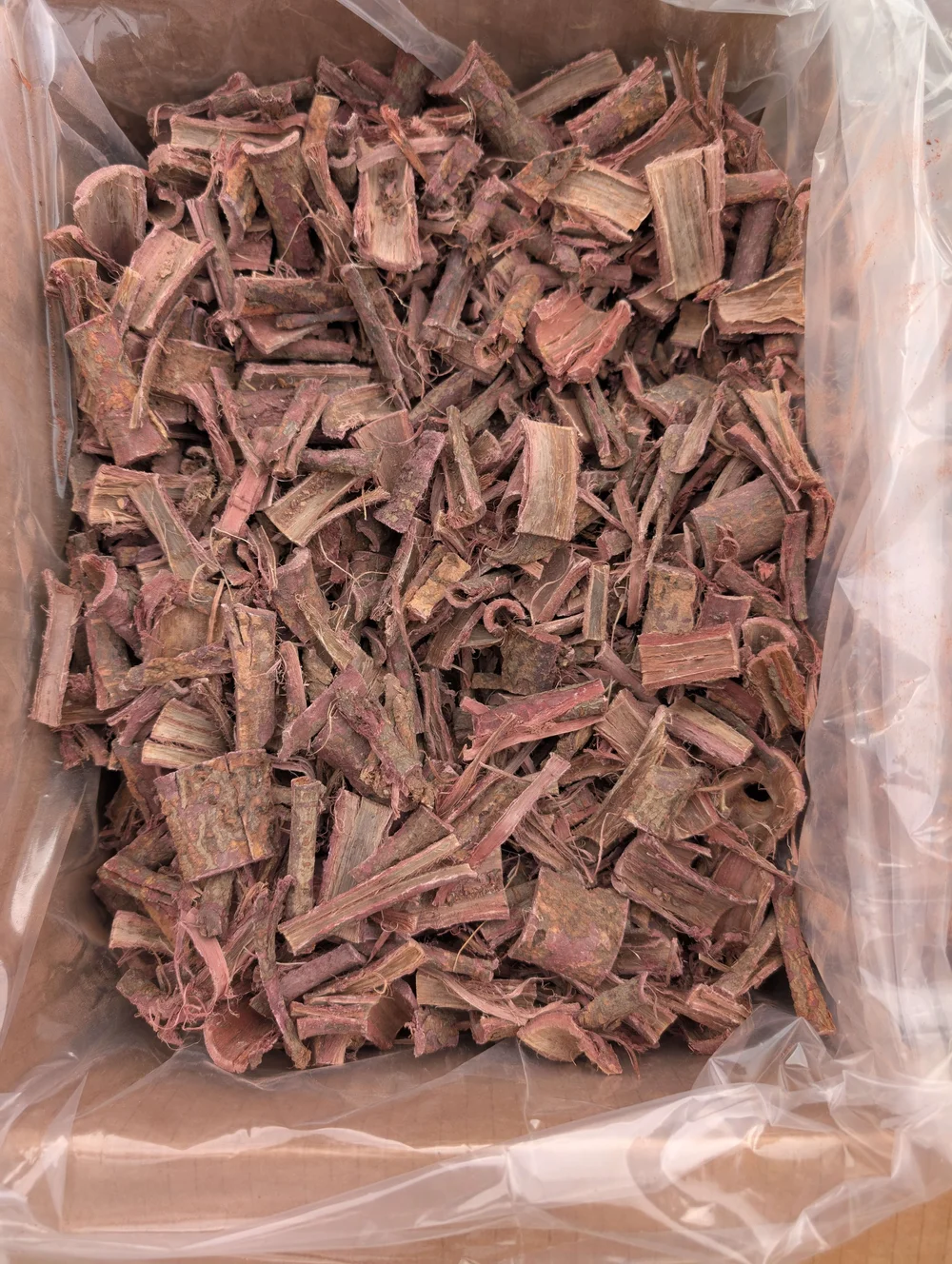
Botanical dyes have experienced a major revival among textile artists, and Cutch dye remains one of the most prized options for achieving warm, earthy beauty. Known for its durability, richness, and natural depth, Cutch dye offers the perfect balance of tradition and modern eco-conscious craft. Whether you are an experienced natural dyer or a curious beginner, working with Cutch dye allows you to explore a range of tones that stay vibrant and timeless. With its botanical origins, impressive tannin content, and long-lasting color, Cutch dye continues to stand out as a favorite in sustainable textile design.
The Botanical Origin of Cutch Dye
Derived from the Heartwood of Acacia
Cutch dye comes from the heartwood of the Acacia catechu tree, a plant valued for centuries across Asia. The extraction process concentrates the tree’s natural tannins into a powerful dye source. Because Cutch dye is entirely plant-based, it aligns with eco-friendly practices and supports low-impact textile work.
A Time-Honored Natural Colorant
Historically, artisans prized Cutch dye for its warm, stable shades and its ability to adhere beautifully to both cellulose and protein fibers. Its botanical composition gives the dye a depth and resilience that synthetic alternatives often struggle to replicate.
The Color Qualities of Botanical Cutch Dye
Warm, Earthy Browns
One of the most appealing attributes of Cutch dye is the wide range of brown tones it produces. Depending on mordants and dye concentration, Cutch dye can yield anything from soft beige to deep, reddish brown.
Subtle Rosy Undertones
Many dyers love the gentle rosy cast that Cutch dye naturally carries. This characteristic makes it ideal for neutral palettes that still offer nuance and sophistication.
Preparing Textiles for Botanical Dyeing
Scouring for Clean Fibers
For the best results, fabrics must be thoroughly cleaned. Scouring removes oils and residues, helping Cutch dye penetrate evenly and consistently.
Mordanting for Longevity
Although Cutch dye is tannin-rich, mordanting enhances its bonding strength. Alum creates warm golden tones, while iron deepens the color into cooler, charcoal-like browns. Proper mordanting ensures Cutch dye remains vibrant over time.
Creating a Botanical Cutch Dye Bath
Hydrating and Dissolving
Start by dissolving Cutch dye in warm water. Take time to ensure the dye is fully broken down before adding fibers. This step improves color uniformity and reduces spotting.
Building Color Gradually
Botanical dyes often shine with slow, gentle processes. Allowing fibers to simmer in Cutch dye helps build layered, dimensional color. Longer soaking increases richness without harsh chemicals.
Techniques for Expressive Dyeing
Immersion Dyeing for Deep Browns
Immersion dyeing with Cutch dye produces even, grounding shades ideal for garments, accessories, and home textiles.
Layering and Overdyeing
Because Cutch dye interacts beautifully with other botanical dyes, it is excellent for overdyeing. Layering it over indigo produces moody greens and neutral tones, while pairing it with madder yields complex reddish-browns.
Resist and Pattern Techniques
When thickened, Cutch dye works well for printing, painting, and resist-dyeing techniques. These applications highlight the dye’s ability to maintain clear lines and bold shapes.
Benefits of Botanical Cutch Dye in Modern Craft
Sustainable and Biodegradable
As a plant-derived dye, Cutch dye supports sustainable crafting practices. Its low environmental impact makes it ideal for eco-conscious artists and small-batch makers.
Durable and Fade-Resistant
One of the biggest advantages of Cutch dye is its durability. The tannin content ensures long-lasting color, allowing textiles to retain their beauty even after repeated use.
Versatile for Various Fibers
Whether you work with cotton, linen, wool, or silk, Cutch dye bonds reliably. This versatility helps makers incorporate consistent earth tones across different textile projects.
Perfect Uses for Botanical Cutch Dye
Apparel and Accessories
Hand-dyed scarves, shirts, and wraps made with Cutch dye embody warmth and natural character, making them ideal for slow-fashion creations.
Home Décor Textiles
Pillows, table linens, and wall hangings colored with Cutch dye bring organic beauty into interior spaces.
Artisanal Fiber Projects
Weavers, spinners, and mixed-media artists appreciate how Cutch dye enhances texture, structure, and handmade expression.
Caring for Botanically Dyed Pieces
To maintain the beauty of textiles dyed with Cutch dye, wash gently in cool water using mild soap. Avoid harsh detergents and prolonged sunlight exposure. With proper care, the richness of Cutch dye remains vibrant for years, supporting long-lasting, sustainable use.
Conclusion
Botanical dyeing continues to inspire artists who value natural beauty, and Cutch dye stands at the center of this creative movement. Its warm tones, durability, and eco-friendly qualities make it one of the most reliable and expressive options available. By exploring the possibilities of Cutch dye, makers can create textiles that honor both craft tradition and modern sustainability—bringing vibrant, earthy elegance to every project.