
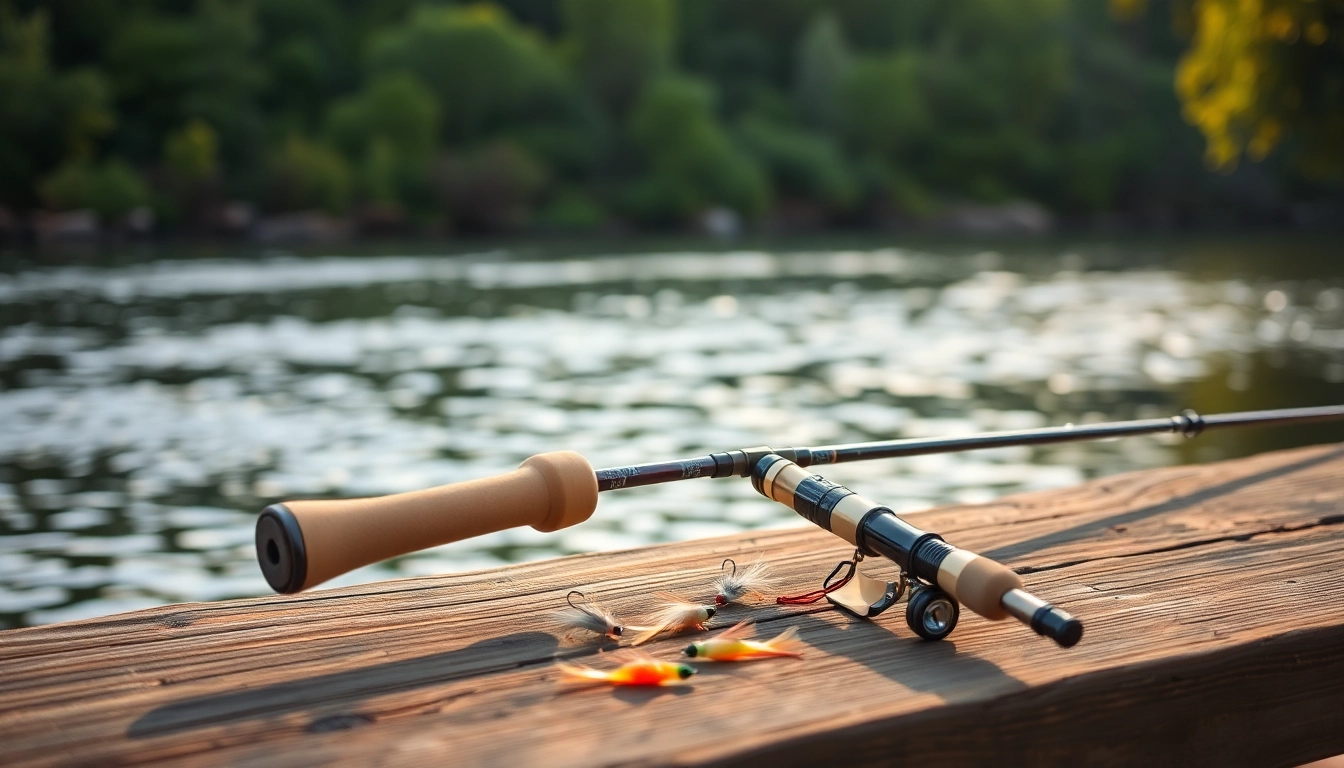
Introduction to Fly Fishing Rods
Fly fishing is not just a sport; it’s an experience that connects anglers with nature in profound and often transformative ways. Central to this experience is the fly fishing rod, a specialized tool designed for the unique demands of this angling method. Selecting the right fly fishing rod can significantly impact your overall fishing success, improving your technique and enhancing enjoyment. In this comprehensive guide, we'll delve into the best fly fishing rods available on the market, exploring their distinct characteristics, important features, and how to care for them effectively.
What Makes a Fly Fishing Rod Unique?
Fly fishing rods differ fundamentally from conventional fishing rods. They are generally longer, more flexible, and are specifically designed to cast lightweight flies with precision. The unique taper of these rods allows anglers to load the rod effectively, enabling them to deliver flies delicately onto the water's surface, a critical factor when targeting easily startled fish species. Additionally, fly fishing rods often come in various lengths, actions, and materials, tailored to suit various fishing environments and personal preferences.
Importance of Choosing the Right Rod
The rod you choose can affect not only your casting accuracy but also your ability to control the fight when you hook a fish. A well-chosen rod enhances your fishing ability, making it easier to cast lighter flies or to contend with windy conditions. Moreover, the right rod will complement your fishing style, whether it’s targeting larger species in fast-moving waters or smaller fish in tranquil lakes.
Overview of Different Types of Fly Fishing Rods
Understanding the different types of fly fishing rods is essential for making an informed purchase. Generally, rods can be categorized based on their construction materials, length, and intended use. Here are the primary types:
- Graphite Rods: Lightweight and sensitive, graphite rods provide excellent responsiveness and generally feature faster actions.
- fiberglass Rods: Known for their durability and traditional feel, fiberglass rods typically offer slower actions, making them great for beginners.
- Multi-piece Rods: Designed for portability, multi-piece rods can be broken down into smaller sections, ideal for travel.
- Spey Rods: These are long rods used for two-handed casting techniques, suitable for salmon and steelhead fishing.
Key Features of the Best Fly Fishing Rods
Material Quality and Construction
The material used in a fly fishing rod plays a significant role in its performance. Advanced rods are often constructed from premium graphite, known for its strength-to-weight ratio, allowing for extended casts without fatigue. Look for rods that boast high modulus graphite for superior sensitivity and less weight. Fiberglass rods, though heavier, provide durability and a slower flex ideal for beginners or those seeking a traditional fishing experience.
Length and Action Considerations
Length is a crucial factor in rod selection. Most fly rods range from 7 to 10 feet. A longer rod increases casting distance and line control, while a shorter rod enhances maneuverability. Action refers to how much the rod bends when pressure is applied. Fast action rods bend near the tip, providing quick responsiveness, while slow action rods bend further down the shaft, offering more flexibility which is beneficial when fishing smaller streams.
Weight and Balance for Optimal Performance
Weight and balance are equally important. The weight of the rod should match your reel and line to ensure optimal performance. It is essential to achieve a balance that feels comfortable in your hand during casting. A well-balanced rod feels lightweight and allows for longer fishing sessions without fatigue. Always test the rod with the line and reel you plan to use to ensure this balance is achieved.
Comparing Popular Fly Fishing Rod Brands
Top Brands and Their Offerings
The market for fly fishing rods is filled with numerous brands, each offering various models catering to different skill levels and budgets. Here are some noteworthy brands:
- Orvis: Known for high-quality craftsmanship, Orvis rods are popular among experienced anglers and offer a lifetime guarantee.
- Echo: Offering affordable yet durable options, Echo is a great choice for beginners.
- Sage: Renowned for innovation and performance, Sage rods are favored by competitive anglers.
- Redington: Budget-friendly without sacrificing quality, Redington rods are suitable for a range of fishing environments.
User Reviews and Recommendations
When considering a fly fishing rod, it’s helpful to read user reviews and testimonials. Many anglers share their experiences regarding casting ease, durability, and overall satisfaction with their rods. This feedback can guide you toward choosing a rod that aligns with your fishing needs. We recommend checking credible fishing forums and recent product reviews for updated experiences from fellow anglers.
Price Ranges and Value Assessment
Fly fishing rods can range from budget-friendly options at around $100 to premium models exceeding $800. It’s essential to assess the value based on your skill level and intended usage. Beginners might opt for lower-priced rods to start, while advanced anglers should consider investing in high-end rods that enhance performance and durability. Additionally, take heed of warranty offers, as many manufacturers include extended guarantees for their products, which can add value over time.
Common Challenges in Selecting Fly Fishing Rods
Understanding Your Fishing Environment
Your fishing environment plays a crucial role in determining the best rod for your needs. For instance, if you’re primarily fishing in large rivers or lakes with strong currents, a longer, more robust rod will facilitate better control and casting distance. Conversely, small streams necessitate shorter, more flexible rods that can handle tight spaces. Always consider the conditions where you’ll be fishing regularly.
Matching Rods with Fly Types
Fly types directly influence rod selection. Light-weight rods work well with small dry flies and nymphs, while heavier rods are better suited for larger streamers and saltwater flies. Understanding the specific characteristics of the flies you intend to use will guide your rod choice. Matching the rod action and taper with the fly type increases your chances of successfully presenting your bait and hooking fish.
Addressing Personal Preferences and Skill Levels
Every angler has unique preferences that stem from their experiences and comfort levels. Novice anglers may prefer rods with forgiving action that allow for minor casting mistakes, while experienced anglers often seek pinpoint accuracy in their casts. Furthermore, consider factors like weight and grip feel. Test rods whenever possible to ascertain what feels best in your hand, as personal comfort is paramount to successful fishing.
Maintenance and Care for Your Fly Fishing Rod
Routine Cleaning and Storage Techniques
Keeping your fly fishing rod in excellent condition requires regular maintenance. After each fishing trip, rinse the rod with fresh water to remove salt and dirt, which can lead to corrosion and wear. Use a soft cloth to wipe down surfaces and check for damage. When storing your rod, disassemble it, and store it in a protective case to prevent bending or breaking.
Repairing Common Wear and Tear
Despite careful handling, wear and tear are inevitable. Common issues include scratches, tip breakages, and guide losses. Many manufacturers provide repair kits or services, and some damage can be fixed at home with rod repair epoxy and proper techniques. Understand your rod’s warranty policy, as many offer repair options for covered damages.
Maximizing Longevity of Your Equipment
To maximize the lifespan of your fly fishing rod, avoid exposing it to extreme temperatures. Prolonged exposure to heat can degrade the resin and weaken the materials. Additionally, practice responsible fishing habits by avoiding snagging and be mindful of how you handle your gear during transport. Regularly inspect your rod for signs of wear and perform necessary maintenance promptly.