
Understanding Cookware Types
Essentials of Cookware: A Comprehensive Guide
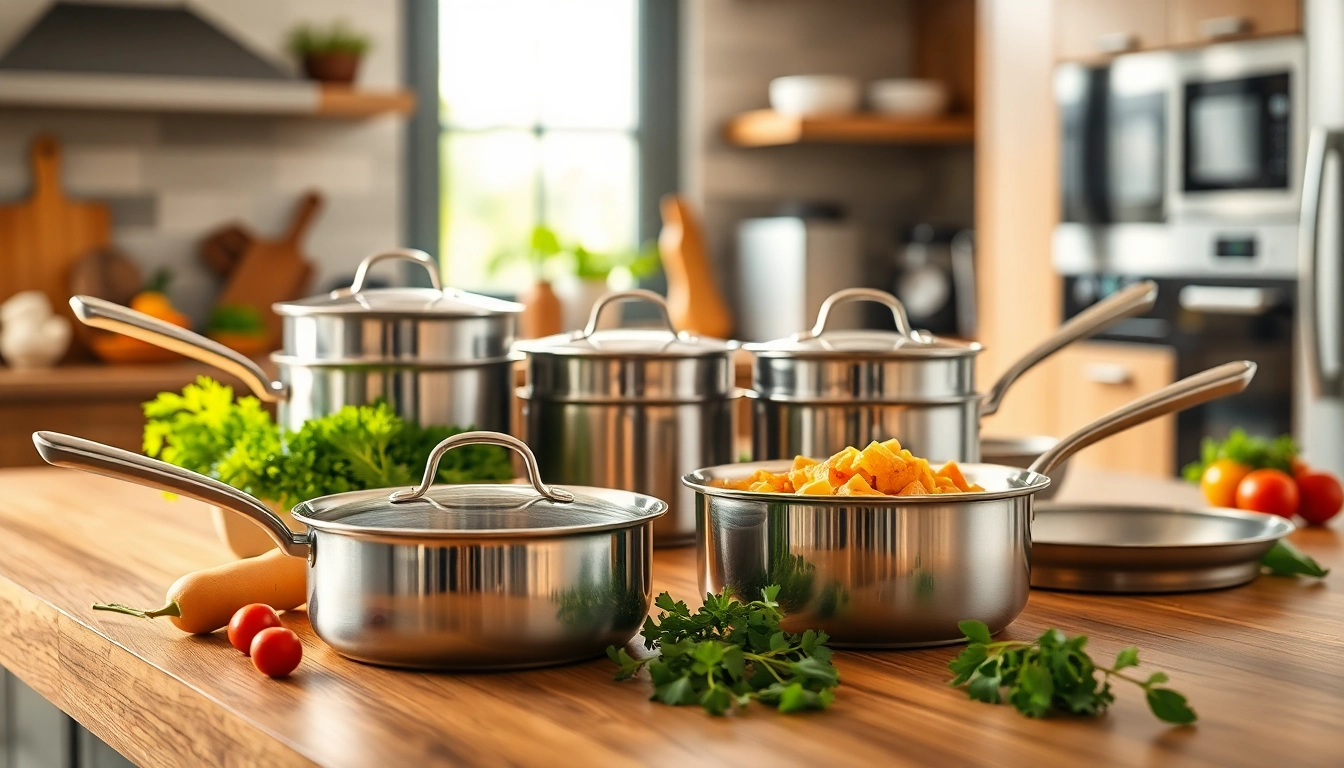
Cookware forms the foundation of culinary art, influencing how food is prepared and the overall cooking experience. Different types of cookware serve various purposes and understanding these types is essential for any home chef. At its core, cookware can be categorized into various materials, each with unique benefits and functions. From stainless steel for searing to non-stick for easy flipping, selecting the right cookware can significantly enhance cooking efficiency and outcomes.
The essentials of cookware include pots, pans, baking sheets, and specialty items. An efficient kitchen often includes a diverse range of cookware that meets different cooking techniques and foods. For example, braising requires Dutch ovens or casseroles, while sautéing is best achieved with skillets or frying pans. When shopping for cookware, considering the range of items you may need is important, as it allows for versatility in meal preparation.
Indirect Cooking: Exploring Non-Stick Cookware
Non-stick cookware has revolutionized home cooking, allowing chefs to prepare meals with less oil, making healthy meals more accessible. The coating on non-stick materials usually consists of Teflon or ceramic, providing a smooth surface that prevents food from sticking. This characteristic is particularly useful for cooking eggs, pancakes, and delicate fish that might otherwise fall apart in other pans.
However, proper usage of non-stick cookware is crucial. Overheating can damage the coating, leading to potential health hazards; thus, it's recommended to use moderate heat. Additionally, using utensils made of silicone, wood, or plastic will help maintain the integrity of the coating. These pans are also easier to clean, which adds an aspect of convenience for busy kitchens, making them an essential part of any modern cookware lineup.
Heavy-Duty Choices: The Benefits of Cast Iron Cookware
Cast iron cookware has stood the test of time, renowned for its durability and excellent heat retention. Ideal for slow cooking and direct stovetop-to-oven transfer, cast iron skillets are popular for items like cornbread and frittatas. They require a bit more maintenance than other cookware types due to rusting risks, but their ability to develop a natural non-stick surface over time is unmatched.
Moreover, cast iron is versatile, useful for frying, baking, and simmering. It can enhance the flavor profile of foods, especially when seasoned properly. Regularly seasoning cast iron cookware maintains its surface and prevents rust, which involves applying a thin layer of oil and heating it to create a polymerized coating. With proper care, cast iron cookware can last generations, making it a valuable investment for the home chef.
Factors to Consider When Buying Cookware
Material Matters: Selecting the Best Cookware Materials
Choosing cookware material impacts not only cooking quality but also health and safety. Common materials include stainless steel, aluminum, copper, and non-stick coatings. Each material has its unique set of advantages and drawbacks.
- Stainless Steel: Durable and resistant to rust and staining, excellent for browning and searing.
- Aluminum: Excellent heat conductor; often coated for durability and non-stick applications.
- Copper: Provides precise temperature control but requires more maintenance and care.
- Cast Iron: Ideal for high-heat cooking and flavor enhancement; requires seasoning.
Before purchasing, consider the primary use of each piece of cookware. For instance, if you plan on making a lot of sauces, stainless steel is likely the best choice, while non-stick options could suit everyday frying needs.
Weight and Durability: Why It’s Important for Cookware
When shopping for cookware, weight is often an overlooked factor. Heavier cookware tends to provide better heat distribution, preventing hot spots that can lead to uneven cooking. Thin cookware can warp over time and may not withstand high heat. Consider your cooking style: if you’re a sautéing enthusiast, opting for thicker, heavy-duty pans can yield better results.
Durability is paramount. Investing in quality materials ensures that your cookware can withstand everyday use without warping or scratching. Pay attention to construction details—look for pieces with sturdy handles and multiple layers of material for those that need to withstand heavy use.
Compatibility with Heat Sources: Understanding Cookware Versatility
Not all cookware is suitable for every heating source, so understanding compatibility is essential. Induction cooktops, for example, require cookware made of magnetic materials. Many modern cookware pieces are designed to be versatile, able to work with gas, electric, and induction stoves.
Additionally, consider oven safety; not all materials tolerate high oven temperatures. Always check manufacturer's instructions to ensure your cookware can handle various environments. Versatility in cookware allows the chef to maximize efficiency when cooking different dishes, so choosing versatile options is ideal.
Care and Maintenance Tips for Long-Lasting Cookware
Cleaning Techniques: Preserving Your Cookware’s Integrity
Caring for your cookware can significantly extend its lifespan. Clean promptly after use to prevent food from drying onto surfaces, which can cause scratches during washing. Use gentle cleaning products specific to the material of your cookware. For instance, avoid harsh scrubbing pads on non-stick surfaces that may scratch the coating.
If using cast iron, always dry the cookware thoroughly and apply a layer of oil to prevent rust. For stainless steel, a paste of baking soda and water can remove stubborn stains and spots. Lastly, avoid soaking cookware for long periods, as moisture can damage the material.
Storing Cookware: Optimizing Space and Usage
Proper storage of cookware not only optimizes space but also prevents damage. Use hanging racks, nested storage, or designated drawer organizers to keep pots and pans tidy and accessible. Avoid stacking non-stick cookware directly on top of each other unless protected with a soft cloth to minimize scratches.
When choosing storage solutions, keep frequently used items at eye level for convenience. A well-organized space can enhance your cooking experience by making everything easy to find when needed, enabling you to focus on creating delicious meals.
Common Mistakes: What to Avoid with Cookware Maintenance
Many home chefs unknowingly make mistakes that can diminish their cookware's performance. Here are a few commons pitfalls to avoid:
- Using metal utensils on non-stick cookware can scratch and damage the surface.
- Overheating non-stick pans can release harmful fumes.
- Failing to season cast iron cookware or allowing it to remain wet can result in rust.
- Ignoring compatibility with cooking appliances can lead to warped cookware.
By being aware of these common mistakes and practicing good maintenance habits, you can prolong the life of your cookware and ensure that it performs optimally for years.
Healthy Cooking with Cookware
Choosing Non-Toxic Cookware for Healthier Meals
The cookware you choose can have direct implications on your health. Traditional non-stick coatings may contain toxins that can seep into food when heated. Opting for non-toxic, non-stick cookware made from ceramic coatings or naturally seasoned cast iron is a better choice for health-conscious cooks.
Furthermore, stainless steel and aluminum without harmful coatings present fewer health risks during cooking. Always consider the materials you use, as safer options protect both you and your family while cooking.
Heat Retention Properties: Benefits on Food Quality
Different cookware materials have various heat retention properties which can affect cooking times and food quality. Cast iron retains heat exceptionally well, making it ideal for simmering and browning, while stainless steel may cool quicker when food is added but allows for precise control during cooking.
The ability to maintain heat contributes to more even cooking, enhancing flavors, particularly when browning meats or reducing sauces. Understanding how your cookware retains heat can be a game-changer in achieving culinary perfection.
Cookware’s Impact on Flavor: Myth or Reality?
There's a longstanding debate about whether cookware influences the flavor of food. While stainless steel, cast iron, and copper can impart different characteristics to food, it ultimately depends on cooking technique. Factors such as seasoning in cast iron or the even conductivity of copper can genuinely enrich flavors in particular dishes.
It's vital for chefs to understand that while cookware can aid in flavor development, the most significant impact comes from ingredient quality and cooking method. Therefore, investing in quality cookware can complement rather than transform the base flavors of meals.
Popular Brands and Innovations in Cookware
Trends in Cookware: What’s New in 2023?
As culinary trends evolve, cookware innovations are emerging. One popular trend is the introduction of hybrid materials, combining features from different types to enhance cooking efficiencies. For instance, cookware created using both stainless steel and non-stick elements offers the benefits of durability and easy food release simultaneously.
Moreover, sustainability is taking center stage, with brands focusing on eco-friendly materials and production processes. Innovations in heat-resistant and dishwasher-safe options are essential for modern chefs looking to save time and effort in the kitchen.
Comparing Popular Cookware Brands: Features and Benefits
Although major cookware brands are not to be named, many share similar offerings that cater to the essential needs of chefs. Options vary from high-end, premium cookware offering versatile cooking techniques to budget-friendly options tailoring to everyday use. Key features to consider while comparing brands include:
- Durability: How long does the cookware last under regular use?
- Heat Distribution: Does it cook foods evenly?
- Cleaning: Is it dishwasher safe or easy to clean by hand?
- Manufacturer's Warranty: What does it cover, and for how long?
These factors can help guide choices in cookware purchases, ensuring the best fit for individual cooking habits and preferences.
Consumer Reviews: Insights on Cookware Performance
Consumer feedback is invaluable when gauging performance and satisfaction with cookware. Reviews offer firsthand insights on durability, usability, and overall quality. Pay attention to trends in feedback, such as common praises or complaints about specific cookware lines.
Additionally, look for feedback reflecting long-term use. Often, initial impressions may differ from experiences after extensive and repeated use, so seeking reviews that include longevity can help make informed decisions.
FAQs
1. What is the best material for cookware?
The best material depends on your cooking style. Stainless steel is great for browning, while non-stick is ideal for low-fat recipes. Cast iron retains heat well, making it perfect for slow cooking.
2. How should I care for my non-stick cookware?
Use soft utensils to avoid scratches, wash gently with mild detergent, and avoid high heat. Regular cleaning helps maintain the non-stick surface for longevity.
3. Can I use metal utensils on all cookware?
No, metal utensils can scratch non-stick and certain coated cookware. It's best to use silicone, wood, or plastic utensils for these surfaces.
4. How often should I season cast iron cookware?
Season cast iron cookware after each use to maintain a non-stick surface and prevent rust. Regular seasoning enhances its cooking performance and longevity.
5. What makes a good cookware set?
A good cookware set includes a variety of pan types, made from durable materials, and designed to cater to various cooking techniques for versatility in the kitchen.