Understanding the Cape Cod Home Style
The cape cod home style is synonymous with cozy, simplistic beauty and functional design. Originating in New England, specifically on Cape Cod, this architectural style resonates with homeowners seeking a blend of charm and utility. From its historical roots to modern adaptations, the Cape Cod home remains a popular choice for many. In this article, we will explore the rich history and distinctive features of this captivating architectural style.
History and Origin of Cape Cod Homes
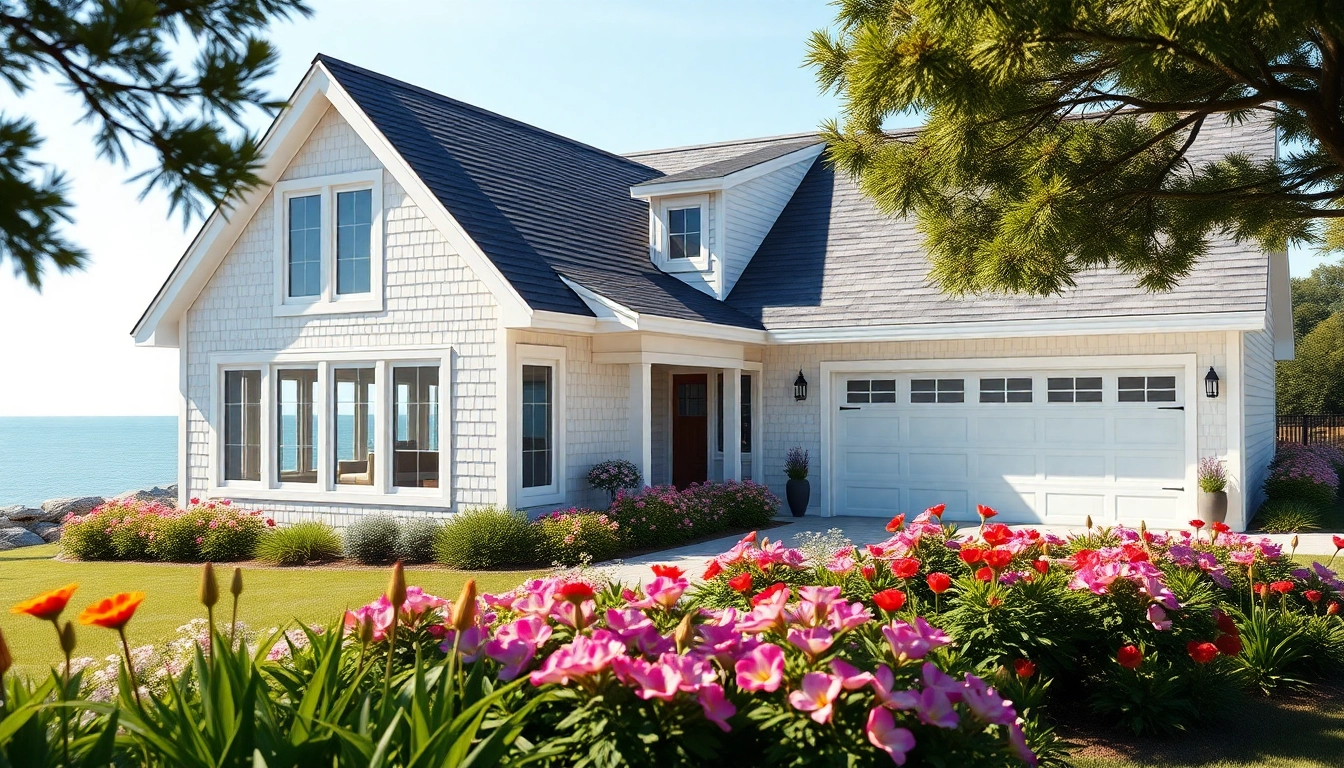
The origins of the Cape Cod home style can be traced back to the early colonial period in the 1600s. Designed to withstand harsh winters, these homes featured steep roofs that shed snowfall easily, wide eaves to protect against rain, and a straightforward, symmetrical façade. The original Cape Cod homes were simple structures made from local materials like timber and shingles, reflecting the utilitarian needs of early settlers. Over the centuries, the design has evolved, incorporating modern amenities while maintaining its historic character.
Key Features of Cape Cod Architectural Design
- Steep Roofs: A hallmark feature, these roofs not only add character but also serve practical purposes by shedding snow.
- Symmetrical Facades: Typically, these homes feature a balanced and straightforward design, often with dormer windows for added light and space.
- Wooden Shingles: The exterior is often clad in cedar shingles that weather beautifully over time, emphasizing a natural aesthetic.
- Chimneys: Prominent chimneys are common, reflecting the importance of fireplaces in the history of home heating.
- Simple, Functional Layout: Interior spaces are usually open and airy, designed for easy living and convenience.
Benefits of Adopting Cape Cod Aesthetics
Embracing the aesthetic of Cape Cod homes goes beyond mere appearance; it fosters a lifestyle centered around comfort and sustainability. The simplicity of the design often leads to lower maintenance costs, a crucial consideration for homeowners. Moreover, the connection to nature, with the use of natural materials, encourages a serene living environment. Finally, the flexible layout can cater to a range of family dynamics and contemporary living requirements.
Designing Your Cape Cod Home Interior
Designing the interior of a Cape Cod home involves a thoughtful approach that reflects its architectural uniqueness while ensuring functionality. This section will provide insights into creating open living spaces, selecting an appropriate color palette, and choosing furniture that complements the aesthetic.
Open Concept Living Spaces for Comfort
The open concept design is a defining feature in modern Cape Cod homes, fostering a sense of expansiveness. These spaces promote social interaction while integrating various living areas seamlessly. When designing an open living space, consider using defined zones with area rugs or furniture arrangement to create separate functionalities while maintaining flow. This can enhance the comfort and usability of your home, making it ideal for both family gatherings and quiet evenings.
Choosing a Color Palette that Resonates
Selecting the right color palette can dramatically impact the vibe of a Cape Cod home. Light, airy colors such as soft whites, pale blues, and sandy beiges evoke the coastal environment and natural surroundings. For added character, consider incorporating pops of nautical hues like deep navy or muted sea greens. A cohesive color scheme not only enhances aesthetic appeal but also creates a relaxing atmosphere conducive to family life.
Functional Furniture Selection
Choosing furniture for a Cape Cod home involves balancing aesthetics with practicality. Opt for pieces that offer both comfort and functionality. Slipcovered sofas in light fabrics provide a casual look while being easy to maintain. Additionally, multi-functional furniture, such as ottomans with storage, is ideal for maximizing space in smaller homes. Remember to incorporate natural materials like wood and wicker for a cohesive organic feel.
Landscaping Around Your Cape Cod Home
Landscaping plays a crucial role in enhancing the overall charm and functionality of a Cape Cod home. Thoughtfully designed outdoor spaces not only complement the home’s design but also extend living areas out into nature.
Creating Outdoor Spaces That Compliment
Outdoor living spaces can take various forms, such as patios, decks, or gardens. Integrating these elements near your Cape Cod home should blend with its architectural style while enhancing usability. Consider using natural stone or wood for decks and patios, echoing the materials of the home. Adding comfortable seating areas surrounded by beautiful plantings creates an inviting environment for family and friends to gather.
Using Native Plants for Maintenance
Opting for native plants in your landscaping not only reduces maintenance but also promotes local biodiversity. Native species are adapted to the local climate and soil conditions, requiring minimal watering and care after establishment. Incorporate plants that provide seasonal interest, varying heights, and colors to create a lush, dynamic landscape that harmonizes with your Cape Cod home.
Incorporating Hardscape Elements
Hardscape elements, such as pathways, retaining walls, and decorative stone features, add structure and durability to your landscaping. Strategically placed stone paths can lead visitors through the garden, while a well-planned patio area can serve as an attractive spot for outdoor dining. Selecting materials that match the home’s aesthetics will create a cohesive look while providing functional outdoor spaces.
Enhancing Energy Efficiency in Cape Cod Homes
As homeowners increasingly prioritize sustainability, enhancing energy efficiency in Cape Cod homes is more important than ever. This section will cover essential elements such as insulation, smart technologies, and the selection of sustainable materials.
Importance of Insulation and Ventilation
Proper insulation and ventilation are vital in maintaining a comfortable environment in Cape Cod homes, especially with their unique architecture. Insulating the attic, walls, and floors can significantly reduce energy consumption by minimizing heating and cooling costs. Additionally, incorporating passive ventilation techniques can enhance air quality without relying solely on mechanical systems. This not only offers cost savings but contributes to overall sustainability.
Smart Home Technologies for Efficiency
Integrating smart home technologies is another effective way to enhance energy efficiency. Programmable thermostats allow for optimal temperature control, while smart lighting solutions can significantly reduce energy use. Broader integration of energy management systems can monitor and adjust energy consumption in real-time, providing both convenience and sustainability for Cape Cod homeowners.
Choosing Sustainable Materials
When considering renovations or building a new Cape Cod home, selecting sustainable materials is crucial. Look for products that are locally sourced, renewable, or recycled. Reclaimed wood, for instance, adds character and reduces the demand for new timber. Similarly, low-VOC paints and finishes improve indoor air quality, contributing to a healthier living environment. This commitment to sustainability reflects not only a contemporary lifestyle choice but also environmental responsibility.
Frequently Asked Questions
What defines a cape cod home?
A Cape Cod home is characterized by its steep roof, symmetrical facade, dormer windows, and simple design, often featuring wooden shingles and a cozy, functional layout.
How can I modernize my cape cod home?
Modernizing a Cape Cod home can involve open-concept layouts, contemporary color palettes, and the integration of smart home technologies while maintaining the home's charming aesthetics.
What colors work best for a cape cod home?
Soft whites, pale blues, and sandy beiges are ideal color choices, emphasizing a coastal aesthetic. Deep navy and muted sea greens can add character and contrast.
Can I convert a cape cod home into a rental?
Yes, converting a Cape Cod home into a rental is feasible. Ensure compliance with local regulations and consider necessary upgrades for functionality and guest comfort.
What landscaping options suit a cape cod home?
Landscaping options for Cape Cod homes include native plants for low maintenance, outdoor living spaces for usability, and hardscaping elements for structure and durability.