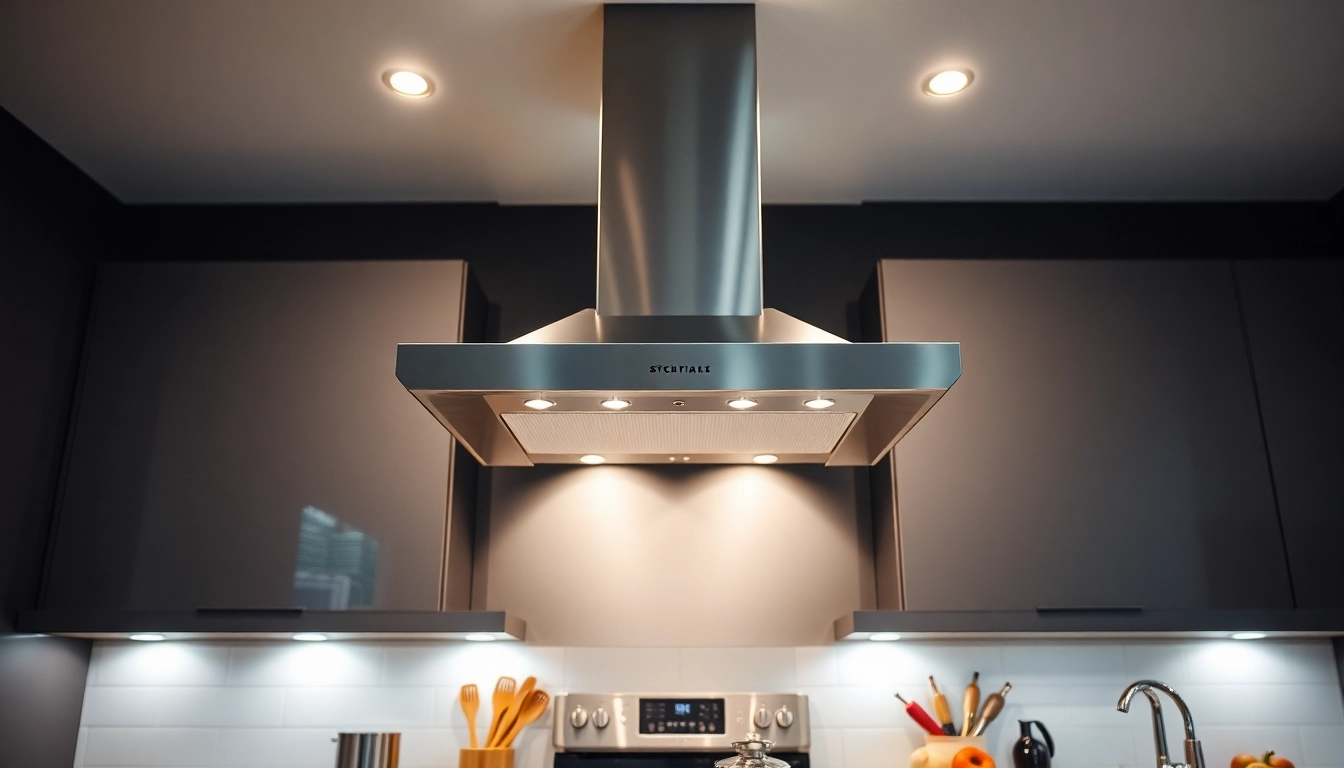

Understanding Home Systems and Appliance Protection
In an era where our homes are becoming increasingly complex, the importance of home systems and appliance protection cannot be overstated. Home systems, such as plumbing, electrical, heating, and cooling systems, play a vital role in our day-to-day lives. Alongside these systems, there are countless appliances—from refrigerators to washing machines—essential for modern living. However, as reliable as these systems and appliances may seem, they are subject to a wide variety of risks that can disrupt our everyday comfort and safety.
The Importance of Home Systems Protection
Protecting home systems is akin to safeguarding the backbone of your household. A malfunction in any system or appliance can lead not only to inconvenience but also to significant financial losses. For instance, a leaking water heater can cause extensive water damage, while a malfunctioning HVAC system can impact air quality and comfort levels. The protection of these systems ensures that your home remains functional, safe, and comfortable at all times.
Moreover, an effective protection plan can provide peace of mind, allowing homeowners to focus on their daily routines without the looming worry of unexpected breakdowns. Planning and investing in prevention is key—catching small issues before they escalate can save homeowners thousands in the long run.
Types of Appliances Needing Protection
Many appliances in a typical home require ongoing protection to ensure smooth functioning. Some of the most common appliances include:
- Refrigerators: Essential for food preservation, any malfunction can lead to significant food spoilage.
- Washing Machines: Regular use increases wear and tear, which can lead to expensive repairs if not maintained.
- Ovens and Stoves: These appliances are critical for meal preparation, and any malfunction can halt family routines.
- Water Heaters: A functional water heater is crucial for comfortable living; temperature fluctuations can signal problems.
- HVAC Systems: Responsible for heating and cooling the home, these systems directly impact comfort and air quality.
Common Risks and Threats
Despite their importance, many home systems and appliances face various risks that can lead to failures. Some of these risks include:
- Wear and Tear: Regular use naturally wears down appliances and systems, leading to reduced efficiency and the potential for failure.
- Environmental Factors: High humidity, extreme temperatures, and natural disasters can severely impact home systems.
- Improper Maintenance: Failure to adhere to maintenance schedules can result in breakdowns and damage.
- Age: Older appliances are more prone to breakdowns, making them a significant risk factor in home systems.
Evaluating Your Home Systems
The first step in effective home systems and appliance protection is understanding what you have and evaluating their current states. Knowing which appliances and systems you rely on can help in crafting a protection strategy.
Assessing Current Appliances and Systems
A comprehensive assessment involves listing all appliances and systems within your home. Document their ages, maintenance history, and any recurring issues. A simple checklist can aid in this evaluation:
- Refrigerator: Age, last maintenance date, issues.
- Washing Machine: Age, frequency of use, issues.
- Water Heater: Age, last service, water temperature consistency.
- HVAC System: Age, most recent system check, energy bills trends.
This assessment provides insights into the overall health of your home systems, helping prioritize which appliances require immediate attention and protection.
Identifying Vulnerabilities in Your Home
Once you have an extensive list of all home systems and appliances, identifying vulnerabilities is the next strategic step. Vulnerabilities may include:
- Lack of regular maintenance.
- Older appliances nearing retirement.
- Frequent use without proper care.
- Environmental stressors like humidity and temperature changes.
Understanding these vulnerabilities allows you to develop protective measures tailored to your household's unique needs.
Tools for Assessment
Utilizing assessment tools can make evaluating systems more precise and informative. Some effective tools include:
- Home Inspection Apps: Apps can help schedule and document inspections.
- Checklists: Custom checklists to ensure comprehensive evaluations.
- Monitoring Systems: Smart home monitoring systems provide real-time data about appliance and system performance.
These tools not only bolster your assessment efforts but also facilitate ongoing monitoring, enabling quicker identification of any emerging issues.
Choosing the Right Protection Plans
Finding a suitable protection plan is pivotal in ensuring your home systems and appliances remain safe from unexpected breakdowns. This involves understanding various available options and assessing their fit for your specific needs.
Types of Home Protection Plans
There are generally three types of home protection plans available:
- Home Warranty Plans: Typically cover repairs and replacements of major appliances and systems as specified in the contract.
- Mechanical Breakdown Insurance: Covers specific appliances against mechanical failures not inherent to the warranty.
- Extended Service Plans: Provided by manufacturers or retailers for extended warranty coverage specifically tied to particular appliances.
Factors to Consider When Selecting a Plan
When choosing a plan, consider these essential factors:
- Coverage Scope: Understand exactly which appliances and systems are covered.
- Cost: Weigh the cost of premiums against potential repair costs to determine the efficiency of the plan.
- Service Providers: Research the quality and speed of service providers affiliated with the plan.
- Exclusions: Read the fine print to ensure there are no unexpected limitations.
Choosing a plan that matches your home’s specific requirements can significantly reduce expenses related to maintenance and unexpected repairs.
Comparing Coverage Options
Comparing various plans is crucial. Create a comparison chart outlining:
- Plan Cost
- Coverage Details
- Average Service Time
- User Reviews and Feedback
This visual representation allows for an easier determination of the best option for your household's needs while ensuring value for money.
Implementing Home Systems and Appliance Protection
Once a protection plan is in place, effectively implementing it is essential for maximizing coverage and ensuring all systems and appliances are safeguarded. This includes installation, maintenance, and education on proper use.
Best Practices for Secure Installation
When it comes to installing new appliances or systems, following best practices ensures longevity and proper functionality:
- Hire qualified professionals for installation to avoid improper setups.
- Adhere to all manufacturer guidelines during installation.
- Inspect the installation site for any environmental factors, such as moisture or poor ventilation.
Properly installed systems are less likely to encounter issues down the line and enhance overall safety.
Regular Maintenance Tips for Longevity
To protect your appliances and systems, regular maintenance is essential. Consider these strategies:
- Follow manufacturer maintenance schedules for inspections and servicing.
- Clean appliances regularly to prevent buildup that can lead to failure.
- Test appliances periodically to ensure they are functioning correctly and efficiently.
Proactive maintenance extends the lifespan of your appliances and systems, reducing the likelihood of unexpected failures.
Educational Resources and Support
To optimize protection efforts, consider tapping into various educational resources. These may include:
- Online courses about proper appliance usage and maintenance.
- Guides on energy conservation to extend appliance life.
- Workshops or seminars regarding home system installations and upgrades.
Continual education fosters a well-informed household, contributing to the effectiveness of your protection strategies.
Measuring the Effectiveness of Protection Strategies
It’s essential to track the effectiveness of your protection strategies actively. This ensures that your investments continue to provide value and that appliances and systems are functioning optimally over time.
Key Performance Indicators to Track
Employ these indicators to measure your protection strategy's success:
- Frequency of repair requests.
- Cost of repairs compared to warranty/plan expense.
- Overall satisfaction levels with appliance performance.
Continuous evaluation using these KPIs can highlight where enhancements are needed and dictate adjustments in your protection plans.
Evaluating Cost-Effectiveness
Charting the total costs related to protection plans versus actual repair costs gives insight into whether your plan is financially sound. Create a spreadsheet that includes:
- Annual premium payments for each protection plan.
- Number and cost of repairs carried out under the plan versus total expenses incurred outside it.
Evaluating these figures periodically allows homeowners to make data-driven decisions regarding their protection plans.
Continuous Improvement and Adjustments
The world of home appliance and systems protection is ever-evolving, with advancements in technology and changes in user needs. Ensure ongoing improvement by:
- Staying updated on the latest guidance regarding appliance care.
- Reassessing coverage plans annually or bi-annually to ensure they remain relevant.
- Incorporating feedback from family members on appliance performance and their experiences.
Embracing a mindset of continuous improvement will ensure your home remains a comfortable, safe, and efficient space.
FAQs
What is home systems and appliance protection?
Home systems and appliance protection refers to plans or insurance that cover repairs or replacements for major home systems and appliances, helping homeowners manage unexpected costs.
How do I know which appliances need protection?
Assess the age and condition of your appliances, review their maintenance history, and consider the frequency of use. Focus on key appliances like refrigerators and HVAC systems.
Are home protection plans worth it?
Home protection plans can be worth it if they reduce overall maintenance costs and provide peace of mind, especially for older appliances or critical home systems.
What is the average cost of a home warranty?
The average cost of a home warranty typically ranges from $300 to $600 annually, depending on coverage options and the number of systems and appliances included.
How often should I maintain my appliances?
Most appliances should be inspected and maintained at least annually, with some, like HVAC systems, needing semi-annual attention for optimal performance and efficiency.