1. Understanding Vinyl: Types and Features
1.1 Introduction to Vinyl Flooring
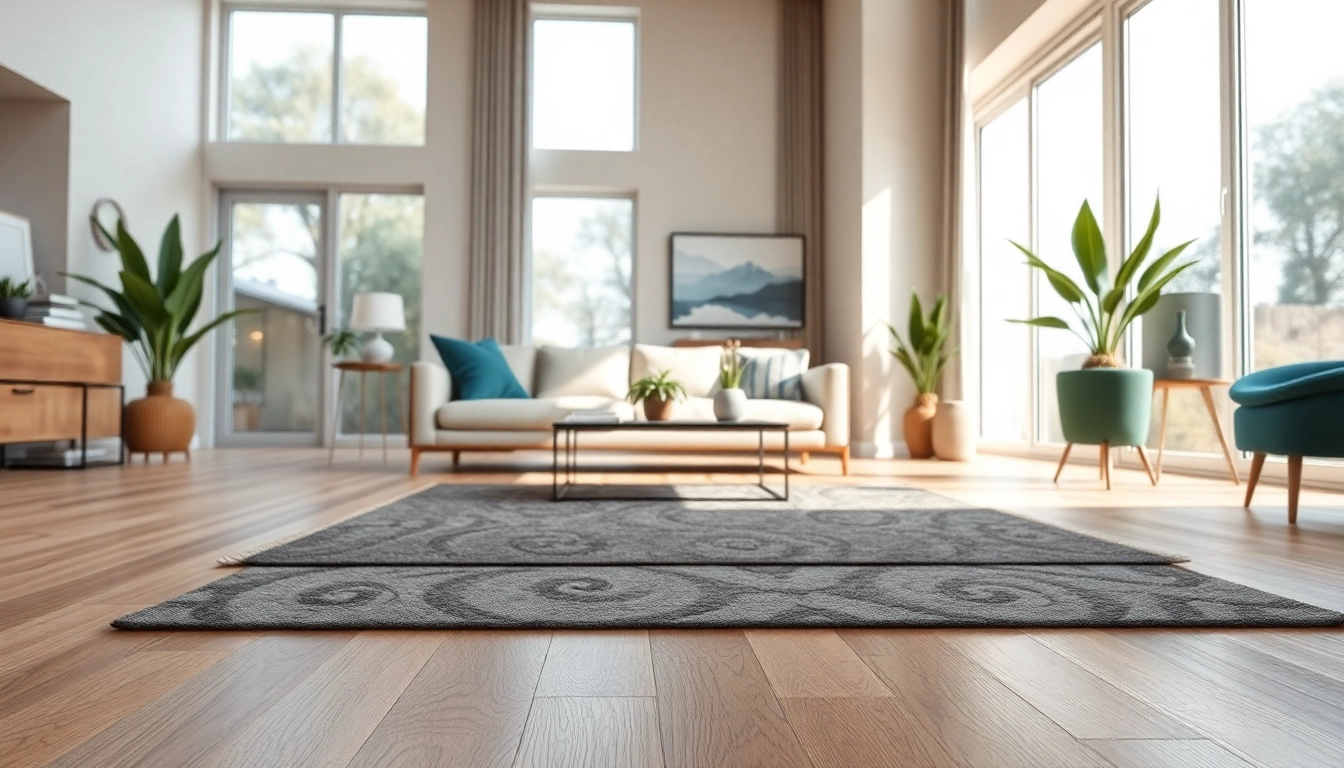
Vinyl flooring has emerged as one of the most popular flooring choices in modern homes, thanks to its versatility, affordability, and aesthetic appeal. This synthetic flooring option is designed to mimic the look of natural materials like wood, stone, and ceramic, providing homeowners with a stylish yet cost-effective alternative. With advancements in technology, vinyl flooring has evolved significantly over the years, now offering a wide variety of designs, styles, and textures. For those looking to upgrade their spaces, exploring vinyl options can lead to surprising and satisfying results.
1.2 Different Types of Vinyl Options
Vinyl flooring is primarily available in two main forms: sheet vinyl and vinyl tiles or planks. Each type has unique features suitable for different applications.
- Sheet Vinyl: This type comes in large, continuous sheets that can be customized to fit any room size. Sheet vinyl is typically water-resistant and is an excellent choice for areas with high moisture, such as kitchens and bathrooms.
- Vinyl Tiles and Planks: These are modular pieces that resemble natural materials, available in various sizes and styles. They often feature a click-lock installation system, making them ideal for DIY enthusiasts. Additionally, they allow for greater design flexibility, enabling homeowners to create their patterns or layouts.
1.3 Key Features of Vinyl Flooring
One of the main reasons for the rising popularity of vinyl flooring is its wide array of features:
- Water Resistance: Most vinyl flooring options are water-resistant or even waterproof, enhancing their longevity in moisture-prone areas.
- Durability: Vinyl flooring is designed to withstand wear and tear, making it an excellent option for high-traffic areas.
- Comfort: Vinyl is often softer underfoot compared to harder flooring materials, providing comfort in spaces where people stand for extended periods.
- Easy Maintenance: With minimal care, vinyl flooring can maintain its appearance and functionality over a long period.
- Aesthetic Versatility: From realistic wood grains to vibrant colors and bold patterns, vinyl flooring can cater to virtually any design preference.
2. Benefits of Choosing Vinyl Flooring
2.1 Durability and Longevity of Vinyl
Durability is one of the cornerstone benefits of vinyl flooring. When properly installed and maintained, high-quality vinyl flooring can last anywhere from 10 to 20 years or more, making it a long-term investment. The protective wear layer on top of vinyl flooring helps resist scratches, scuffs, and stains, further contributing to its longevity. Furthermore, vinyl is less likely to crack or break compared to more brittle flooring options, ensuring a reliable, long-lasting surface for decades.
2.2 Cost-Effective Home Improvement
One of the most attractive aspects of vinyl flooring is its affordability. Compared to traditional hardwood or natural stone flooring, vinyl offers a much lower entry price point, making it accessible for budget-conscious homeowners. Additionally, installation costs are generally lower due to the straightforward application process, often leading to significant savings overall. The combination of durability and cost-effectiveness makes vinyl an appealing choice for both renovation projects and new builds.
2.3 Aesthetic Appeal of Vinyl Designs
With advanced printing and texture technology, the aesthetic appeal of vinyl flooring has reached new heights. Homeowners can choose from a plethora of designs, patterns, and colors that can perfectly match their decor theme. Whether one desires the rustic charm of reclaimed wood, the sleek look of modern ceramic tiles, or an eye-catching geometric pattern, the possibilities are nearly limitless with vinyl flooring. This versatility allows homeowners to express their unique style while benefiting from the practical advantages that vinyl offers.
3. Installation Process of Vinyl Flooring
3.1 Preparing Your Space for Installation
Before beginning the installation of vinyl flooring, it’s essential to prepare the space appropriately. This includes clearing the area of any furniture, debris, or existing flooring materials. Ideally, the subfloor should be cleaned and leveled, ensuring smooth and flat surfaces that can help avoid issues later on. For uneven surfaces, it may be necessary to fill in any low spots or address any imperfections before proceeding with vinyl installation. Lastly, allowing the vinyl to acclimate to the room’s temperature and humidity for at least 48 hours can prevent expansion or contraction after installation.
3.2 Step-by-Step Vinyl Installation Guide
Here’s a straightforward guide to installing vinyl flooring, which can vary slightly depending on the type (sheet or tiles/planks):
- Measure the Space: Accurate measurements will help you determine how much vinyl is needed.
- Cut the Vinyl: For sheet vinyl, cut it slightly larger than the room dimensions; for tiles, cut them as needed.
- Apply Adhesive (if applicable): If using glue-down vinyl, spread the adhesive on the subfloor per manufacturer instructions.
- Lay the Vinyl: Position the vinyl flooring, ensuring it fits well around any corners and obstacles.
- Use a Roller: Roll over the installed vinyl to eliminate air bubbles and ensure proper adhesion.
- Install Transition Strips: If needed, install transition strips at doorways and junctions for a polished look.
3.3 Common Mistakes to Avoid During Installation
Installing vinyl flooring might seem straightforward, but mistakes can occur. Some common pitfalls include:
- Not properly acclimating the flooring before installation, leading to expansion or contraction.
- Failing to prepare the subfloor adequately, resulting in bumps or unevenness.
- Using the wrong cutting tools, which can damage the edges and lead to unsightly seams.
- Ignoring the manufacturer’s installation guidelines, which may result in voiding warranties.
4. Maintenance Tips for Vinyl Flooring
4.1 Daily and Weekly Cleaning Routines
Maintaining vinyl flooring is generally straightforward. A daily cleaning routine should include sweeping or vacuuming to remove dirt and debris. For more thorough cleaning, a damp mop with a gentle cleaner formulated for vinyl can help keep the surface pristine. It is essential to avoid harsh chemicals or abrasives, as these can damage the protective layer of the vinyl.
4.2 Addressing Scratches and Damage
While vinyl flooring is durable, it can still sustain scratches or dents over time. Minor scratches can often be repaired using a vinyl floor repair kit that includes a color-matched filler. For deeper scratches or stains, it might be necessary to replace the affected tile or plank. Regular maintenance and immediate addressing of any damage will contribute to the flooring’s longevity.
4.3 Best Products for Vinyl Care
To keep vinyl flooring looking its best, consider the following recommended products:
- Neutral pH Cleaners: These are effective yet gentle on vinyl surfaces.
- Soft Mops: A microfiber mop is ideal for daily cleaning to prevent scratches.
- Floor Mats: Placing mats at entry points can reduce dirt and grime tracked into the house.
5. Vinyl Flooring Trends in Home Design
5.1 Popular Styles and Patterns
Vinyl flooring trends reflect the ever-evolving tastes in home decor and design. Popular styles include vintage-inspired designs, realistic wood looks, and urban chic patterns such as herringbone and mosaic tiles. Textured vinyl options offer a more tactile experience, establishing a sense of warmth and style in spaces.
5.2 Combining Vinyl with Other Materials
To create unique aesthetics, many designers are now combining vinyl with other flooring materials. For instance, pairing vinyl tiles with hardwood or laminate creates a stunning visual contrast while maximizing the benefits of both materials. Such combinations can define spaces in open floor plans and create interest in residential layouts.
5.3 Future Trends for Vinyl Flooring
As technology continues to advance, the future of vinyl flooring looks promising. We're likely to see even more innovation in design, including enhanced textures, eco-friendly materials, and installation techniques. Increasing focus on sustainability may drive manufacturers to develop more environmentally responsible vinyl options, ensuring that as styles change, practicality and responsibility remain at the forefront.
Frequently Asked Questions
What is vinyl flooring?
Vinyl flooring is a synthetic flooring material designed to mimic natural surfaces like wood or stone, known for its durability and low maintenance.
How long does vinyl flooring last?
Vinyl flooring can last 10-20 years or more with proper care, making it a long-lasting choice for many homes.
Can vinyl flooring be installed over existing floors?
Yes, vinyl can often be laid over existing floors if they are smooth and level, though proper preparation is essential for the best results.
Is vinyl flooring waterproof?
Most vinyl flooring is waterproof, making it suitable for areas like kitchens and bathrooms where moisture is present.
How do I clean vinyl flooring?
Cleaning vinyl flooring typically involves sweeping or vacuuming regularly, along with mopping using a mild cleaner to maintain its appearance.