Understanding Structural Steel Construction
Structural steel construction is a pivotal element in modern architecture and engineering, providing the backbone for many types of buildings and infrastructures. Its unique properties, including strength and versatility, make it an optimal choice for a multitude of applications. This article delves into the essentials of structural steel construction, examining its definition, its varied grades and standards, and its extensive applications in contemporary construction projects.
What is Structural Steel?
Structural steel is a carbon-based material used primarily for constructing buildings, bridges, and other structures. It is designed to withstand significant loads and stresses while maintaining its structural integrity over time. Steel can be crafted into various shapes—such as beams, columns, and plates—which are essential components in creating robust frameworks. Understanding its composition, characteristics, and production processes is essential for anyone involved in construction.
Grades and Standards of Structural Steel
The performance of structural steel is largely determined by its grade, which specifies its yield strength, tensile strength, and ductility. The most commonly used grades include ASTM A36, A992, and A572, each suited for different applications and environmental conditions. Adhering to established standards, such as those set by the American Society for Testing and Materials (ASTM) and the American Institute of Steel Construction (AISC), ensures that materials meet safety and quality benchmarks. Each grade is designated for specific types of work, such as buildings, bridges, or industrial facilities, emphasizing the importance of selecting appropriate material for each project.
Applications in Modern Construction
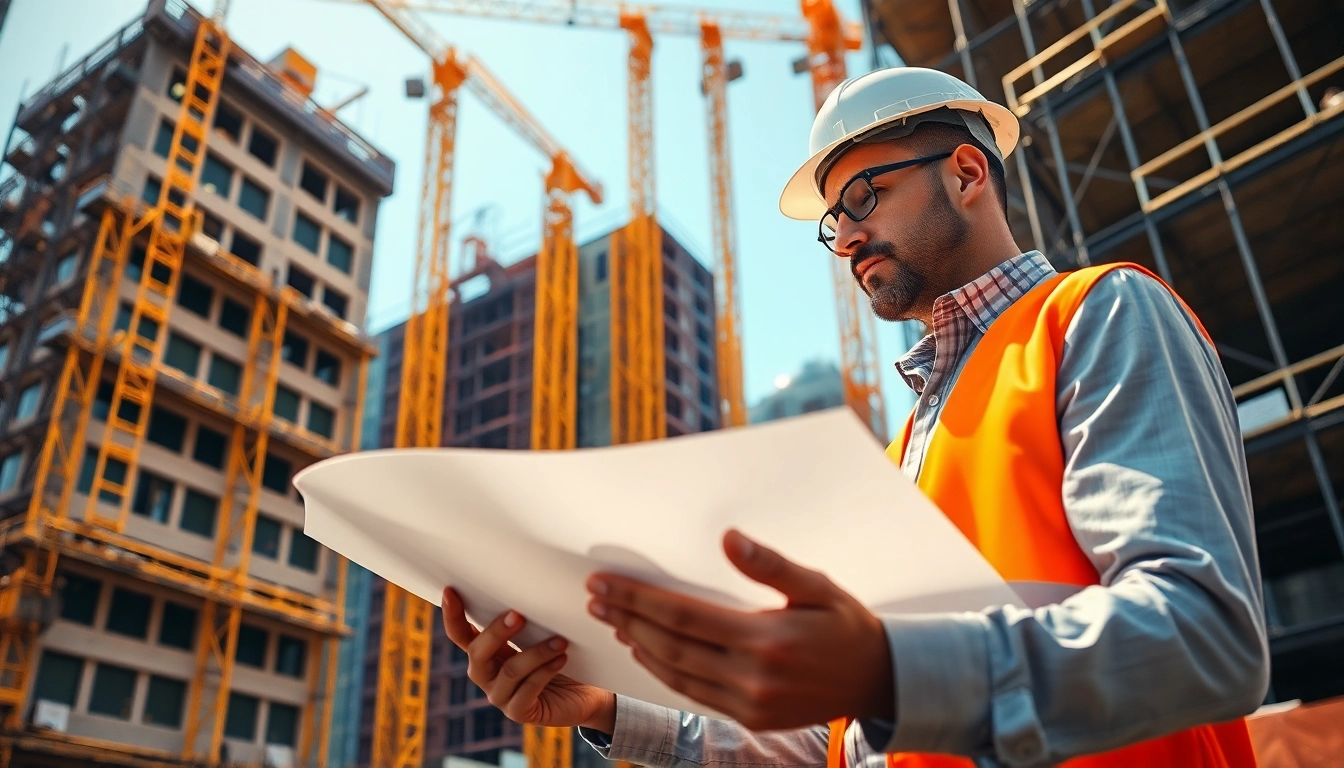
Structural steel is utilized in various applications, ranging from residential buildings to complex infrastructure projects. Its high strength-to-weight ratio allows for taller and more expansive structures without sacrificing safety. Common applications include:
- High-rise Buildings: Steel's ability to support large loads and resist lateral forces makes it ideal for skyscrapers.
- Bridges: Steel bridges transport heavy loads efficiently across spans that might otherwise require more extensive supports.
- Industrial Structures: Factories and warehouses benefit from the durability and flexibility of steel in construction.
Advantages of Structural Steel Construction
Strength and Durability Benefits
Structural steel is renowned for its exceptional strength and durability. When appropriately treated and coated, steel can resist corrosion, weathering, and fire, extending its lifespan and maintaining safety standards. Moreover, steel's flexibility allows it to absorb energy during seismic events, a critical consideration in earthquake-prone areas. The ability to withstand harsh environmental conditions is a significant advantage for structures exposed to the elements.
Cost-efficiency and Sustainability Factors
Utilizing structural steel can lead to significant cost-savings throughout a project's lifespan. Its prefabrication capabilities enable faster construction times, reducing labor costs and limiting financial exposure to project delays. Steel is also a recyclable material, making it an environmentally friendly option. Its longevity and recyclability contribute to sustainable construction practices, aligning with global efforts to reduce waste and carbon footprints.
Flexibility in Design and Construction
One of the most appealing aspects of structural steel construction is its flexibility in design. Engineers and architects can create innovative structures using various shapes and sizes, which traditional materials like concrete may not allow. The use of steel also facilitates larger and more open interior spaces, accommodating modern architectural trends that favor light and spacious environments.
Common Types of Structural Steel Shapes
Popular Structural Steel Shapes Explained
Structural steel shapes play a crucial role in construction, each type serving specific functions. The most common shapes include:
- I-Beams: Characterized by their 'I' cross-section, these beams are essential in vertical load-bearing applications and provide excellent strength across spans.
- C-Channels: Often used for framing and bracing, channel shapes are more lightweight and can be utilized in a variety of configurations.
- Tee Shapes: Useful for providing strength in tension and compression, these shapes are commonly employed in truss systems.
- Plates and Bars: Used in a plethora of applications, from base plates to support beams, plates provide a solid foundation for other structures.
Applications for Various Steel Shapes
Each steel shape is tailored for specific applications. For instance, I-beams are predominant in high-rise buildings, providing exceptional support in long-span applications. Meanwhile, C-channels are often used in bracing systems, where lighter materials are preferable and can adequately resist lateral loads. Understanding the particular merits and applications of each shape prepares a project manager or architect to make informed decisions regarding material selection.
Choosing the Right Steel Shape for Your Project
Selecting the appropriate steel shape for a project is essential for achieving both efficiency and performance standards. Factors to consider include:
- Load Requirements: The anticipated loads and forces will dictate the structural shape necessary to ensure integrity.
- Project Design: The architectural vision may influence the choice of shape, as aesthetics can play a vital role in modern structures.
- Cost Analysis: Budget constraints and material costs will also impact the final decision.
Implementing Structural Steel in Construction Projects
Planning and Design Considerations
Effective planning is critical when integrating structural steel into a construction project. Comprehensive design considerations should include evaluating site conditions, delivery logistics for materials, and coordination with other building systems. Collaboration among architects, engineers, and contractors will facilitate smoother execution and limit potential challenges during installation.
Best Practices for Steel Assembly
Steel assembly involves several best practices to ensure effective construction. This includes proper alignment of components, securing joints with appropriate connections (bolting, welding, or riveting), and employing the correct machinery for lifting and placement. Regular site inspections are crucial to maintain quality control and adherence to safety protocols.
Safety Measures in Structural Steel Construction
Ensuring safety during structural steel construction is paramount. Workers should be well-trained in handling steel components and utilizing safety gear. Adopting a comprehensive safety plan that includes fall protection measures, equipment checks, and emergency protocols helps mitigate risks and safeguard the workforce.
The Future of Structural Steel Construction
Innovations in Steel Fabrication Techniques
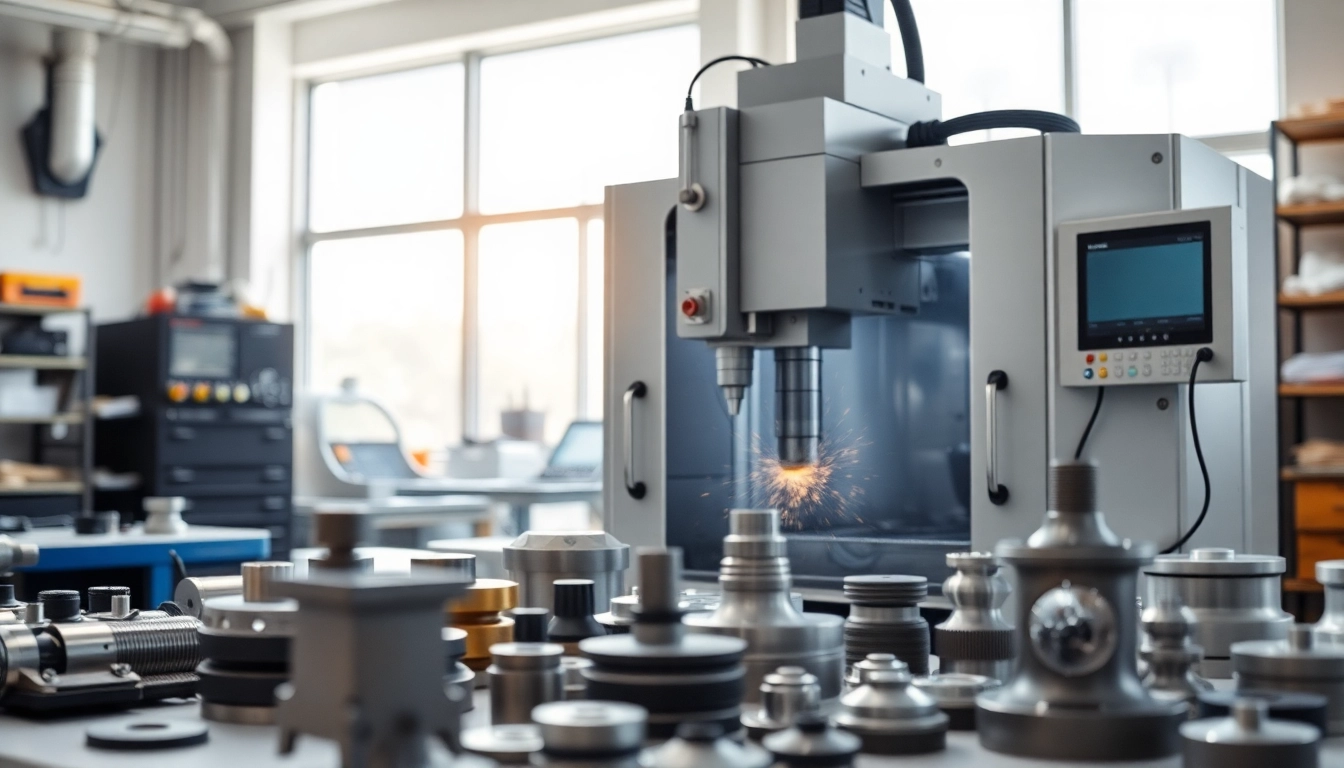
The future of structural steel construction is being shaped by technological advancements in fabrication techniques. Automated processes, such as robotic welding and 3D modeling software, streamline production while enhancing precision. Innovations in material science, like high-strength steel variants and corrosion-resistant coatings, are further improving the performance characteristics of structural steel.
Environmental Impact and Green Steel Construction
With growing awareness of environmental issues, the industry is turning towards more sustainable practices. Green steel construction emphasizes the use of renewable energy in steel production and recycling old steel, minimizing the environmental impact. Developing codes and practices that promote sustainable building further solidifies steel's role in eco-friendly construction.
Emerging Trends in Structural Steel Use
Emerging trends indicate a shift towards increased use of structural steel in modular construction, where prefabricated elements are assembled onsite, further enhancing efficiency. Additionally, the integration of smart technologies, such as embedded sensors in steel components, allows for real-time monitoring of structural health, enhancing maintenance and safety protocols. As these trends develop, structural steel will continue to play a central role in the evolution of construction practices.