Understanding Structural Steel Installation
1. What is Structural Steel Installation?
Structural steel installation refers to the process of assembling steel components to create the framework of a building or structure. This process typically involves the use of beams, columns, and girders that are meticulously designed and fabricated to support the load of the structure. The importance of precision in the assembly process cannot be overstated, as even minor errors can lead to structural integrity issues or safety hazards. Proper structural steel installation is crucial in ensuring that the building can withstand various forces, including gravity, wind, and seismic activities.
2. Importance of Structural Steel in Construction
Structural steel plays a fundamental role in modern construction due to its high strength-to-weight ratio, durability, and versatility. It allows for longer spans between supports, which is essential for creating open spaces in commercial buildings and warehouses. Furthermore, steel's resistance to various environmental factors, such as corrosion and fire, enhances the longevity of constructed facilities. The use of structural steel installation has become a preferred method in constructing skyscrapers, bridges, and industrial facilities, where safety and load-bearing capacity are paramount. In addition, the sustainability aspect of steel—being recyclable—adds to its appeal in eco-friendly construction practices.
3. Key Components of Structural Steel Installation
The installation process requires various key components, including:
- Steel Beams and Columns: The primary elements that bear loads and provide structural support.
- Steel Connections: Join different steel components together and ensure the stability of the entire structure.
- Brackets and Fasteners: Essential fixtures used to secure beams and columns into place.
- Steel Decking: Provides a working platform for construction and supports the weight of concrete flooring.
- Safety Equipment: Gear such as harnesses, hard hats, and safety nets, which are critical for worker safety during installation.
Preparation for Successful Structural Steel Installation
1. Site Assessment and Planning
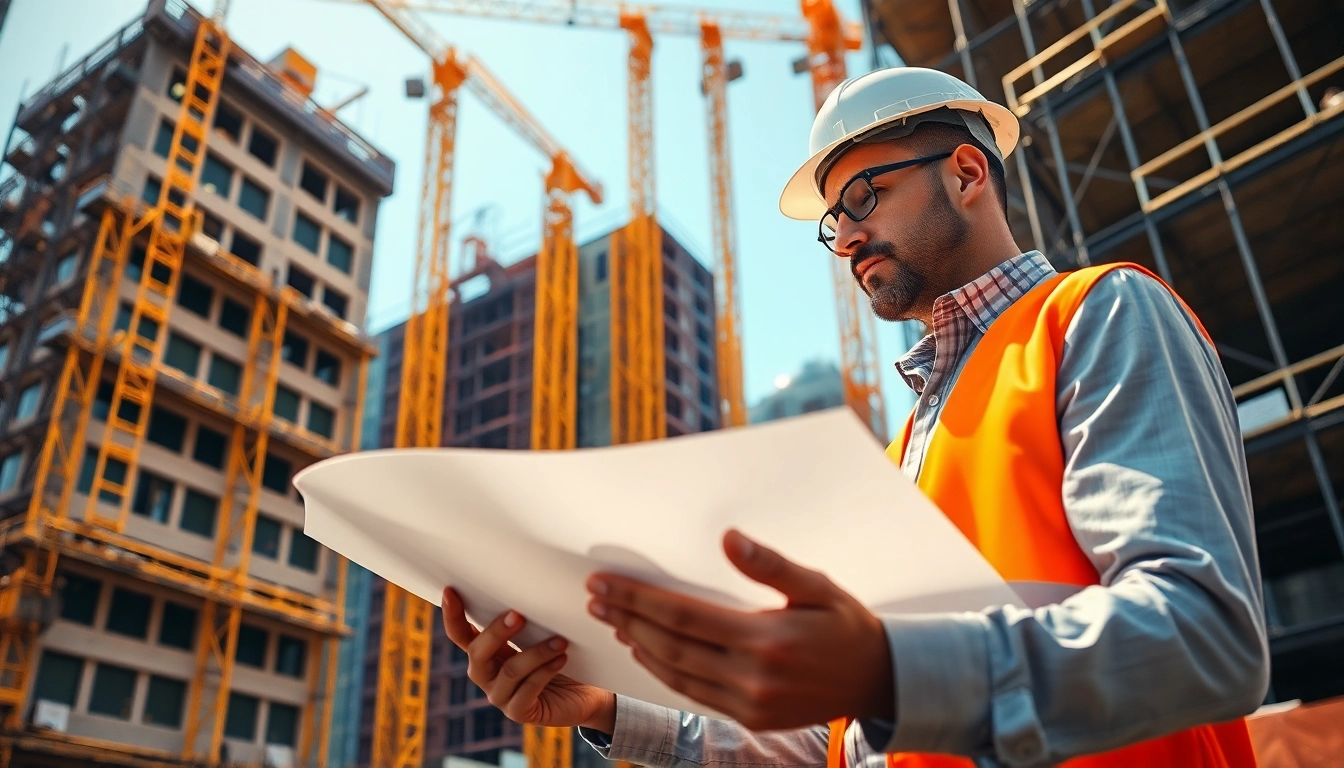
Successful installation begins with thorough site assessment and planning. This involves evaluating the construction site to identify potential challenges such as soil conditions, existing structures, and environmental factors. Detailed planning ensures that the installation process aligns with the architectural design and local building codes. A comprehensive blueprint should reflect the type, size, and arrangement of steel components, ensuring that all parties involved understand their responsibilities. When done effectively, site assessment and planning set the stage for a smooth installation process.
2. Material Selection and Quality Assurance
The choice of materials significantly impacts the quality and safety of structural steel installations. Selecting high-grade steel that meets industry standards is crucial to ensure longevity and resilience. Quality assurance measures must be implemented throughout the manufacturing and installation phases. Regular inspections, tests for yield strength, and checks for any fabrication errors are vital components of ensuring that the materials work as intended. Collaborating closely with suppliers and fabricators can help ensure that all materials comply with the specifications required for the project.
3. Safety Regulations and Compliance
Safety is paramount in any construction project, particularly in structural steel installation where workers are exposed to heights and heavy materials. Compliance with Occupational Safety and Health Administration (OSHA) regulations is non-negotiable. This includes conducting regular safety training sessions, ensuring proper use of fall protection equipment, and maintaining clear communication channels regarding safety protocols. By prioritizing these measures, construction teams can significantly reduce the risk of accidents and enhance the overall well-being of workers on-site.
Step-by-Step Guide to Structural Steel Installation
1. Preparing the Foundation and Framework
The first step in structural steel installation is to prepare the foundation that will support the steel framework. This typically involves excavation, grading the site, and pouring concrete. The foundation must be engineered to bear the weight of the steel components while maintaining stability against environmental conditions like wind or earthquakes. Once the foundation is set, erection of the framework begins. This includes temporarily positioning columns and beams to establish the overall layout.
2. Lifting and Positioning the Steel Beams
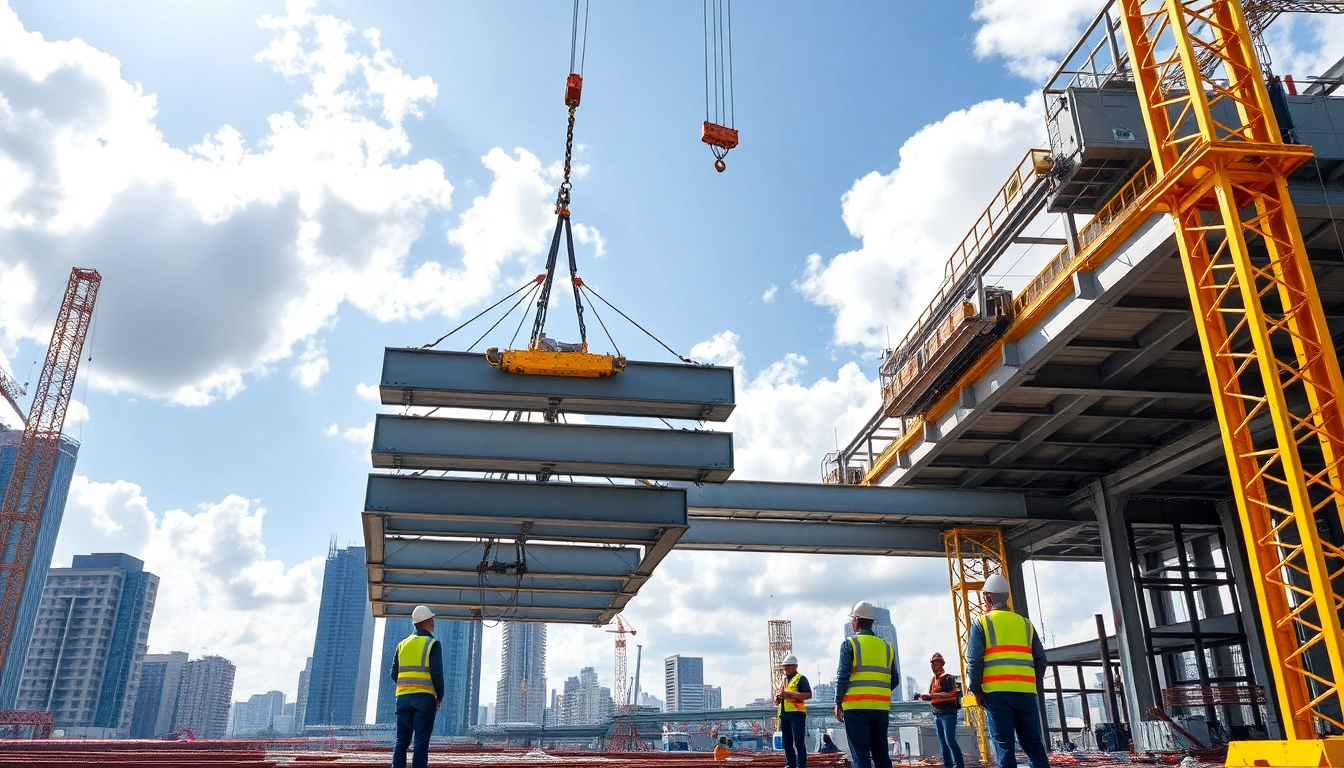
After the foundation has cured, the lifting process commences. Cranes are generally employed to maneuver the heavy steel beams into position. Each beam should be carefully aligned with the previously erected framework to maintain accuracy. Using rigging hardware, operators must ensure that beams are hoisted steadily and secured in place promptly to avoid any shift or collapse. This critical phase requires a coordinated effort between crane operators and ground crew members to ensure that the lifting and positioning are performed safely.
3. Final Assembly and Quality Checks
Once all components are positioned and temporarily secured, crews conduct an initial assembly. This entails welding, bolting, or riveting the pieces together based on the engineering specifications. Final assembly is followed by a thorough quality check, where all connections and fittings are inspected for conformity with safety standards and design specifications. This final verification stage is crucial; any oversight may lead to future structural failures or safety hazards, compromising the integrity of the entire project.
Common Challenges in Structural Steel Installation
1. Safety Hazards and Risk Management
Construction sites, particularly those involving structural steel installation, encompass inherent risks such as falls from heights, equipment mishaps, and exposure to hazardous materials. Effective risk management strategies must be implemented before and during installation. Regular safety audits, safety training sessions, and clear communication of safety protocols to all workers can mitigate these hazards. Furthermore, employing technology such as drones for site surveillance can enhance monitoring and enable early detection of potential safety risks.
2. Addressing Delays and Project Inefficiencies
Delays in structural steel installation often stem from unforeseen circumstances, such as inclement weather, miscommunications, or supply chain disruptions. To combat this, project managers should develop a contingency plan that outlines a series of responses to common challenges. Efficient project management software can also help track progress and resource allocation effectively, ensuring transparent communication between all stakeholders whilst proactively addressing roadblocks as they arise. This structured approach can help keep projects on schedule while optimizing overall efficiency.
3. Navigating Environmental Constraints
Environmental factors like harsh weather conditions can significantly affect the various phases of structural steel installation. Cold temperatures can lead to metal brittleness, while rain can hinder visibility and safety. It is crucial for project managers to implement weather monitoring tools to anticipate environmental challenges. Preparedness includes adjusting work schedules as necessary, employing protective gear, and considering weather-related contingencies to maintain worker safety and workflow continuity despite adverse conditions.
Best Practices for Optimal Structural Steel Installation
1. Effective Communication Among Teams
Clear communication is essential for successful structural steel installation. All team members should be aware of their roles, timelines, and safety protocols. Utilizing collaborative tools such as mobile applications can keep everyone informed in real-time, thereby minimizing the risk of misunderstandings. Regular team meetings can also provide updates on progress and forthcoming challenges, fostering a proactive approach to any project hurdles.
2. Utilizing Advanced Technology in Erection
Technological advancements have transformed the structural steel installation landscape. Tools like 3D modeling software are increasingly being used to visualize the assembly process and mitigate errors before they occur. Drones can be utilized for on-site assessments, while augmented reality systems provide immersive training for workers. Embracing these technologies can enhance efficiency, accuracy, and safety in installation processes, leading to faster project completion and reduced costs.
3. Continuous Training for Labor Force
To ensure optimal performance, continuous training for laborers engaged in structural steel installation is paramount. Training programs should encompass new techniques, equipment use, and safety practices in order to keep the workforce abreast of current developments in the industry. Investing in the professional development of employees not only enhances the quality of installation but also heightens employee satisfaction and retention, further ensuring a skilled labor force for future projects.