Understanding Structural Steel Construction
Structural steel construction is a foundational aspect of modern architecture and engineering, offering a blend of strength, versatility, and durability. Building with structural steel involves utilizing a variety of carbon-based metals, recognized for their robustness and capacity to withstand significant loads. Understanding the intricacies of this material is vital for successful construction projects. In this expansive guide, we will delve into the various facets of structural steel construction, covering its definitions, types, benefits, and much more.
What is Structural Steel Construction?
Structural steel construction refers to the method of using steel as the primary material for building frameworks. Structural steels exhibit exceptional tensile strength, allowing them to support heavy loads and intricate designs effectively. Defined as a steel alloy primarily made from iron and carbon, its distinctive properties include a carbon content ranging from 0.05% to 0.25%. This alloy must comply with specific industry standards set forth by organizations such as ASTM International, ensuring its quality and suitability for construction.
Types and Grades of Structural Steel
The realm of structural steel is expansive, encompassing various grades and types, each tailored to specific applications. Here are some common types:
- Carbon Steel: Most widely used, available in various grades based on carbon content.
- Alloy Steel: Enhanced with additional elements like manganese and chromium, improving strength and resistance.
- Stainless Steel: Corrosion-resistant, ideal for structures exposed to aggressive environments.
- High-Strength Low-Alloy (HSLA): Light-weight, superior strength valuable for large structures.
Each type serves different functions in construction, determined by design needs, environmental factors, and load-bearing requirements.
Key Characteristics and Benefits
Structural steel presents several characteristics that make it a preferred material in construction:
- Durability: Structural steel structures can last over 50 years with proper maintenance.
- Flexibility and Versatility: It allows for innovative designs while accommodating various building shapes and sizes.
- Speed of Construction: Prefabrication techniques allow for rapid assembly on-site, minimizing project timelines.
- Sustainability: Steel is recyclable, contributing to sustainable construction practices by reducing waste.
Design Principles in Structural Steel Construction
Basic Design Considerations
Designing with structural steel involves a multifaceted approach, integrating architectural needs and engineering standards. Key considerations include load types, spanning capabilities, and local building codes. Designers must assess the environmental impact, ensuring that the aesthetics align with functional objectives while adhering to safety regulations.
Common Design Methods for Structural Steel
Several established methods facilitate effective design in structural steel construction:
- Limit State Design (LSD): Focuses on ensuring safety and serviceability under various load conditions.
- Load and Resistance Factor Design (LRFD): Employs factors to enhance safety margins in load-bearing calculations.
- Capacity-based Design: Emphasizes the actual load-carrying capacity of members.
These methods promote efficiency and reliability in design, aiming for optimal material use while maintaining structural integrity.
Load Calculations and Analysis
Load calculations are critical for estimating the forces acting on structural systems. Engineers analyze different load types, such as:
- Dead Loads: Permanent static weights from the building materials.
- Live Loads: Transient loads from occupancy and usage.
- Environmental Loads: Forces from wind, snow, and seismic activities.
Understanding these loads enables precise member sizing and connection design, ensuring safety throughout the structure's lifespan.
Construction Techniques and Methodologies
Prefabrication vs. On-site Construction
Prefabrication has revolutionized how structural steel elements are created and assembled. Components are manufactured off-site under controlled conditions, then transported and assembled on-site. This offers benefits such as:
- Improved Quality Control: Factory settings allow for stricter monitoring and testing.
- Time Savings: Concurrent site preparation can occur while manufacturing components.
- Reduced Waste: Efficient use of material minimizes excess and cuts costs.
Conversely, on-site construction allows for adjustments based on immediate conditions, thus offering flexibility in challenging environments.
Steel Frame Erection Procedures
The erection of steel frames follows a systematic approach:
- Site Preparation: Ensure stability and prepare ground conditions.
- Foundation Work: Lay down foundations to support the steel structure securely.
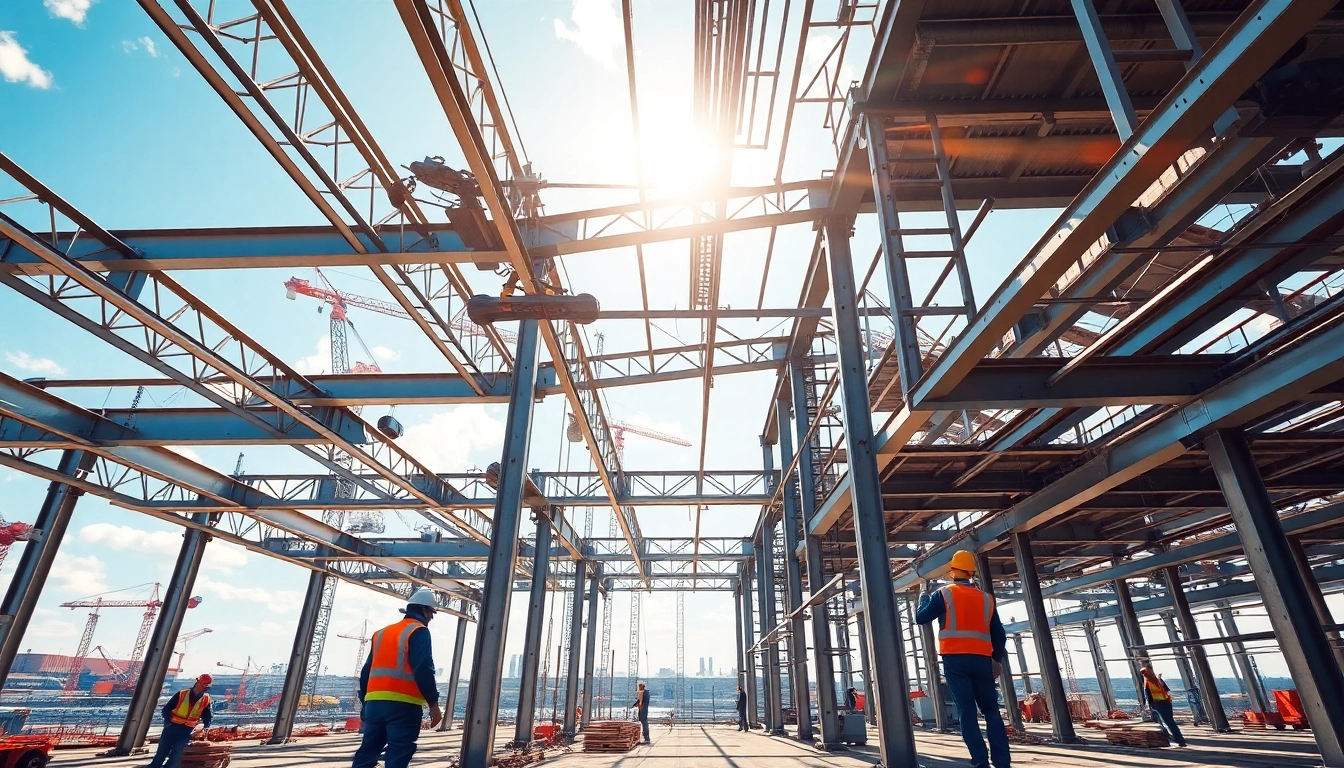
- Assembly: Sequentially lift, position, and connect steel components using cranes and rigging.
- Alignment and Bolting: Ensure accurate positioning and bolting for structural stability.
Proper sequence and methodology are essential to mitigate risks and enhance safety during construction.
Importance of Quality Control in Construction
Quality control measures must be enforced throughout the construction process to ensure that materials and workmanship meet defined standards. Key quality assurance practices include:
- Material Inspection: Verify that received materials meet specified standards.
- Welding Quality Checks: Employ non-destructive testing methods to ensure weld integrity.
- Documentation: Maintain accurate records of inspections, modifications, and compliance with standards.
Effective quality control prevents costly rework and enhances overall project outcomes.
Sustainability in Structural Steel Construction
Environmental Impact and Regulations
As sustainability becomes a cornerstone of modern construction practices, structural steel is increasingly recognized for its environmental benefits. Regulations guide sustainable building practices, focusing on reducing energy consumption, waste, and carbon footprint. Steel can significantly contribute to achieving LEED certification through its high recyclability and energy efficiency during production.
Recycling and Reusing Steel Materials
One of the significant advantages of steel is its high recyclability. In fact, steel is one of the most recycled materials globally. Steel components can be dismantled and repurposed for new constructions, significantly reducing demand for new materials. This practice not only conserves resources but also minimizes waste in landfills.
Innovative Sustainable Practices
Innovative practices in structural steel construction further the goals of sustainability. Examples include:
- Green Steel: Development of low-carbon steel through alternative manufacturing processes.
- Building Information Modeling (BIM): Enhancing design efficiencies and reducing material waste through virtual simulations.
- Smart Structures: Incorporating sensors for real-time monitoring of structural performance, enhancing maintenance strategies.
Implementing these practices encourages a transition towards more sustainable construction paradigms.
Future Trends in Structural Steel Construction
Emerging Technologies
The future of structural steel construction is poised to be shaped by emerging technologies, including robotics, advanced manufacturing, and artificial intelligence. These technologies promise to enhance productivity, create safer construction environments, and introduce innovative design capabilities that were previously unimaginable.
Smart Construction Techniques
Smart construction techniques integrate modern technology into the construction process through tools and systems that monitor project progress, optimize resource usage, and track structural performance over time. Techniques such as IoT (Internet of Things) applications in construction help improve project management and adaptability.
Impact of Industry Standards and Innovations
As the structural steel industry evolves, adherence to updated standards will remain crucial. Innovations in structural design and materials science are likely to lead to new codes and regulations that emphasize safety, sustainability, and resilience against climate impacts. Continuous education and adaptation to these changes will be essential for professionals in the field.
FAQs About Structural Steel Construction
What is structural steel construction?
Structural steel construction uses steel as the primary material for a building's framework, prized for its durability, flexibility, and strength.
How are structural steel grades defined?
Structural steel grades are defined based on their carbon content, alloying elements, and mechanical properties, which dictate their suitability for various construction applications.
Why is prefabrication used in structural steel?
Prefabrication is used to improve quality control, reduce waste, and speed up the construction timeline by manufacturing components off-site.
What are the environmental benefits of using steel?
Steel is highly recyclable, reducing waste and conserving resources, while also often produced with lower energy consumption compared to other materials.
What role does technology play in modern construction?
Technology enhances structural design, construction efficiency, and sustainability efforts through automation, smart sensors, and advanced modeling tools.